Free + Paid
OMNIMAX® Films
The Blue Angels
Tickets
Paid
Age Range
All Ages
Location
Subjects
Biological Sciences, Chemistry, Food & Farming, History, Plants & Animals
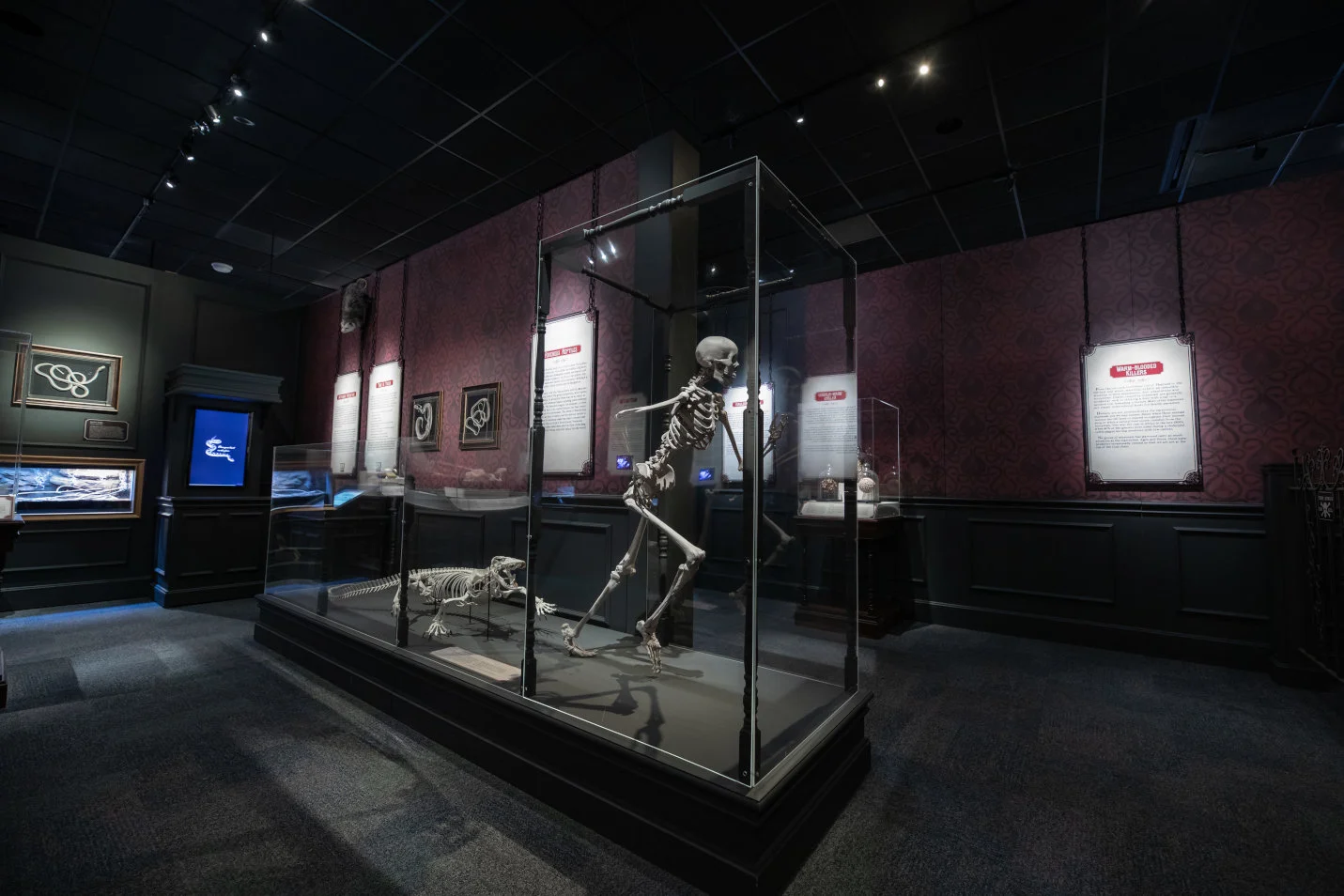
 Death by Natural Causes takes visitors on a fascinating exploration of the natural world’s most unexpected and often misunderstood dangers.
From brightly colored creatures and sweet-smelling plants to everyday materials we encounter without a second thought, this exhibition reveals how nature can be both beautiful and dangerous. Visitors meet the “malefactors” that quietly do the Grim Reaper’s work — disguised in unassuming forms that challenge assumptions and spark curiosity.
Through a compelling combination of authentic specimens, immersive graphics, and hands-on interactives, guests explore the science behind what can cause harm — directly or indirectly — in the world around them. Concepts such as poisonous, venomous, and toxic are clearly explained, while urban legends and old wives’ tales are thoughtfully debunked using real scientific evidence.

Death by Natural Causes – a touring exhibit created by the Houston Museum of Natural Science along with Stage 9 Exhibits.
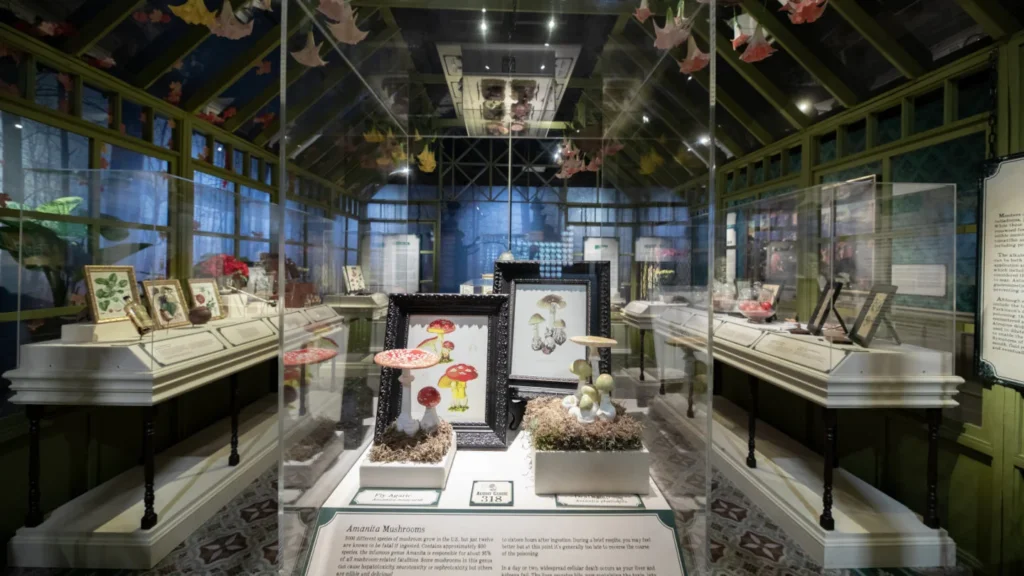
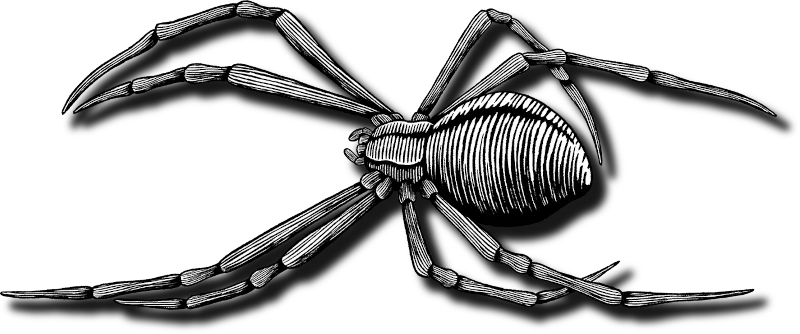
 The experience will unfold across five visually rich thematic zones, featuring surprising specimens and familiar examples, including mushrooms, snakes, spiders, and even common foods. These everyday touchpoints will create strong emotional engagement and make complex science approachable for a wide range of audiences.
Equal parts intriguing and educational, Death by Natural Causes will encourage visitors to confront their fears, question assumptions, and look more closely at the natural world beneath their feet, all while supporting institutional goals around STEM learning, natural history interpretation, and family engagement.
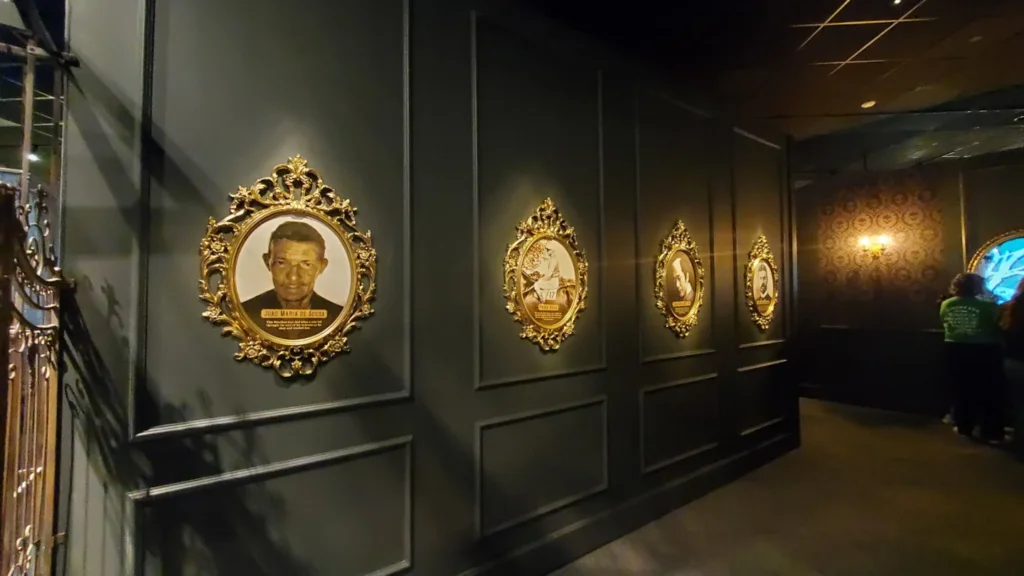
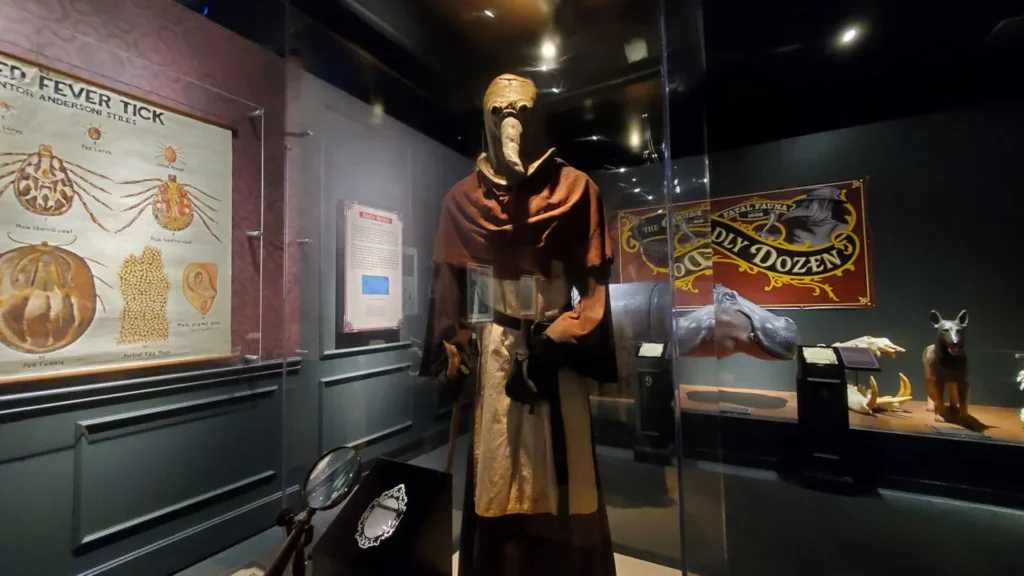

To create a mineral, two or more of the 92 naturally occurring elements must combine, often making the two individual elements more chemically stable, but often more toxic and readily absorbed. From “painter’s colic” to leaded wine, discover how beautiful but deadly minerals may have leeched into your life.
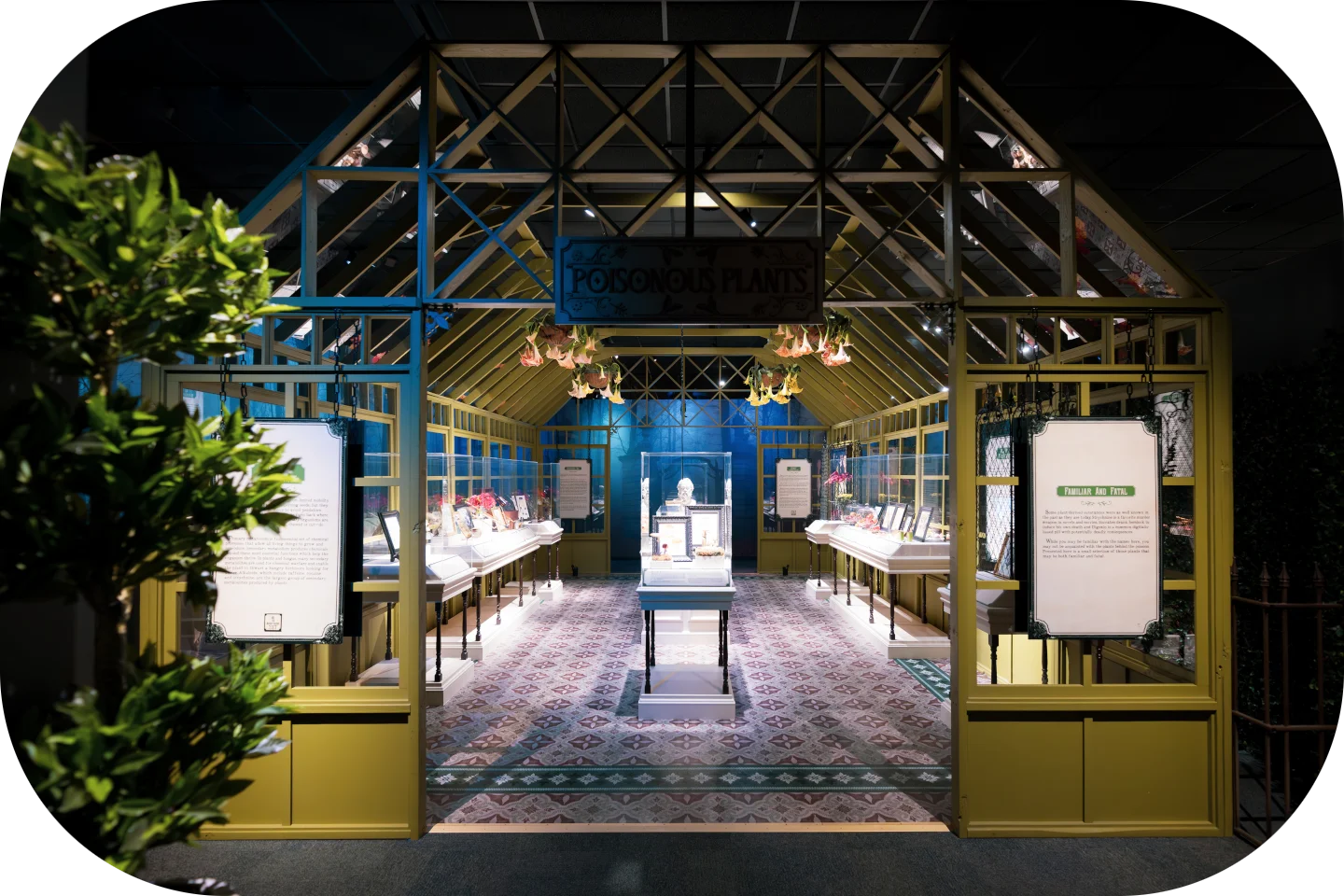
Plants may have means of dispersing seeds, but they are generally unable to move to avoid predators. Instead they have developed ways to fight back where they grow. From strychnine to hemlock and digitalis to belladonna…while you may be familiar with the names, you may not be acquainted with the plants behind the poisons. Discover what trouble may be growing in your own backyard.
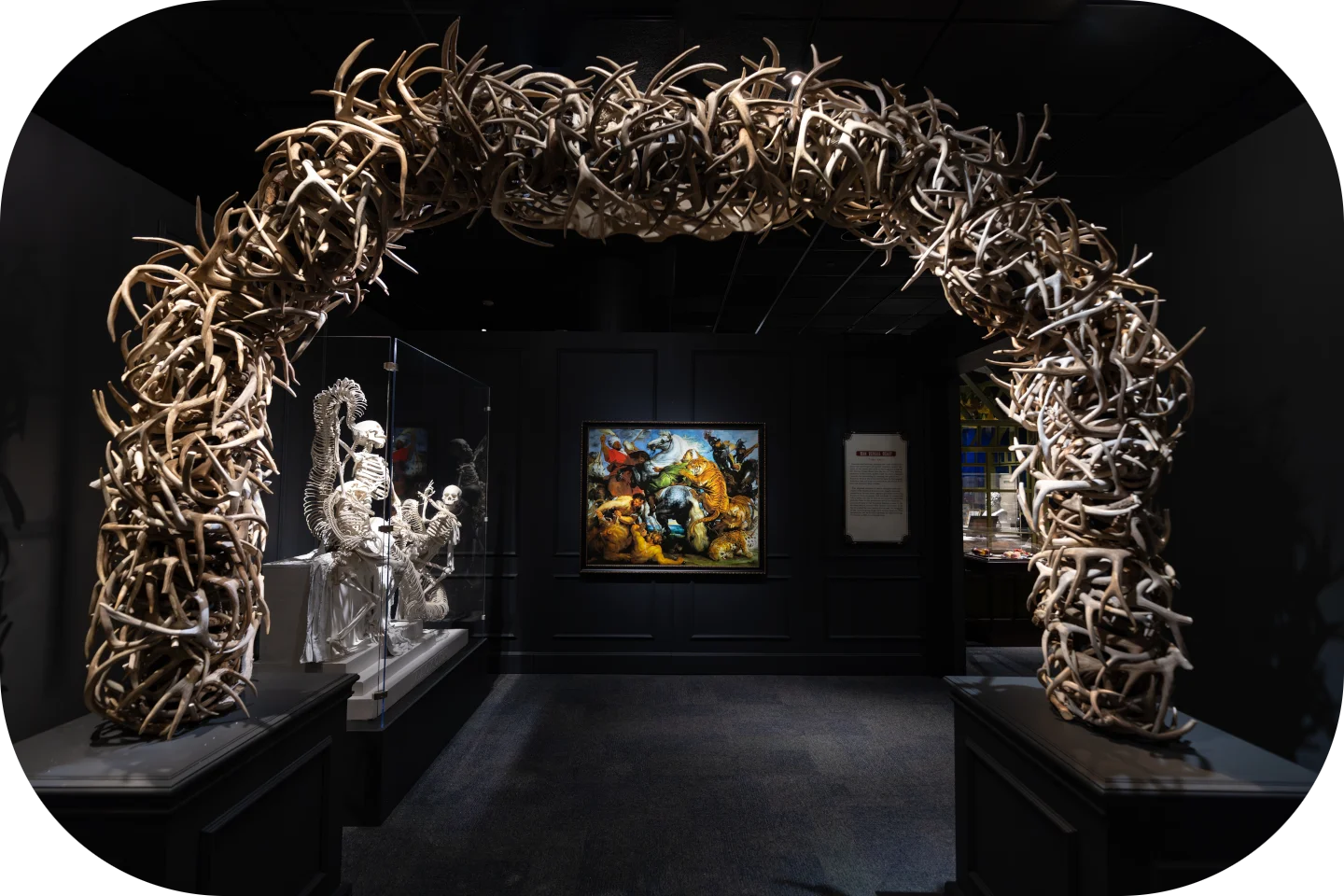
Man’s struggle with beast begins with fossilized human bones clearly showing predation by hyenas, bears, jaguars and other carnivores. But many invertebrates have evolved a diverse arsenal of toxic defenses, too. Just because you lack a spine doesn’t mean you are weak.

Death by Natural Causes – a touring exhibit created by the Houston Museum of Natural Science along with Stage 9 Exhibits.

5050 Oakland Avenue
St. Louis, MO 63110
314.289.4400
Get Directions
Clayton Ave. at Faulkner Dr.
in Forest Park
Get Directions