Free + Paid
OMNIMAX® Films
The Blue Angels
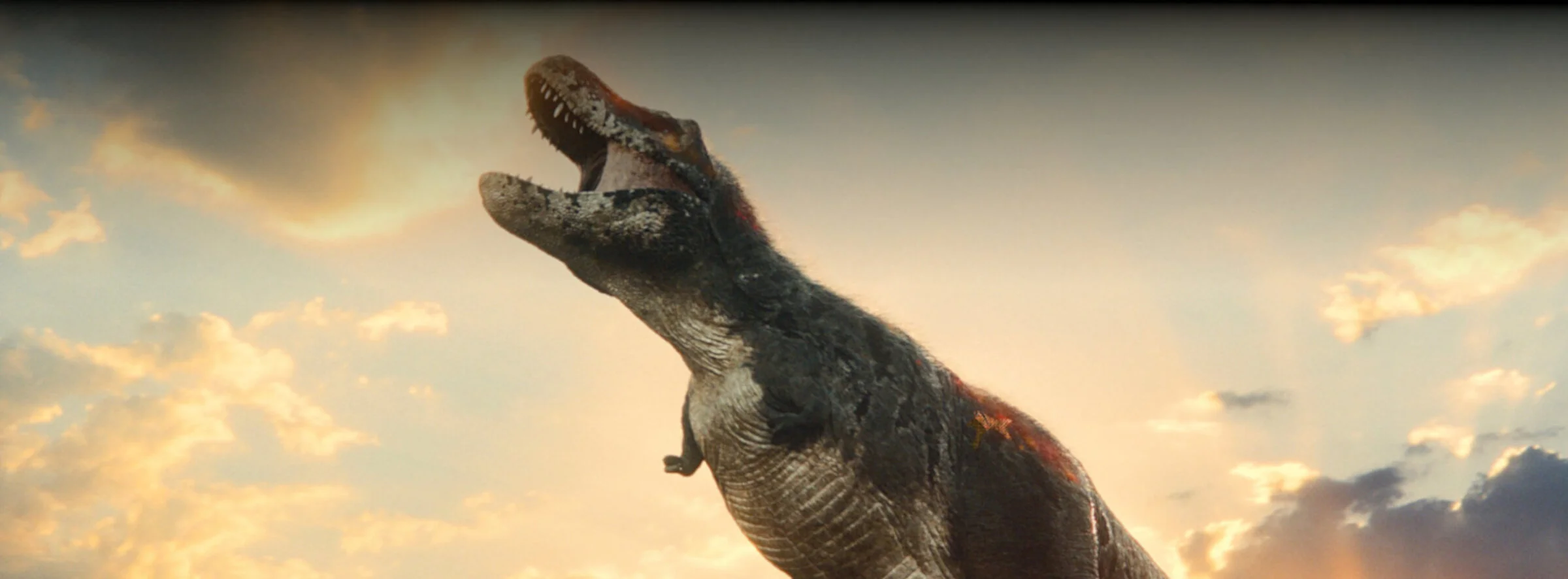
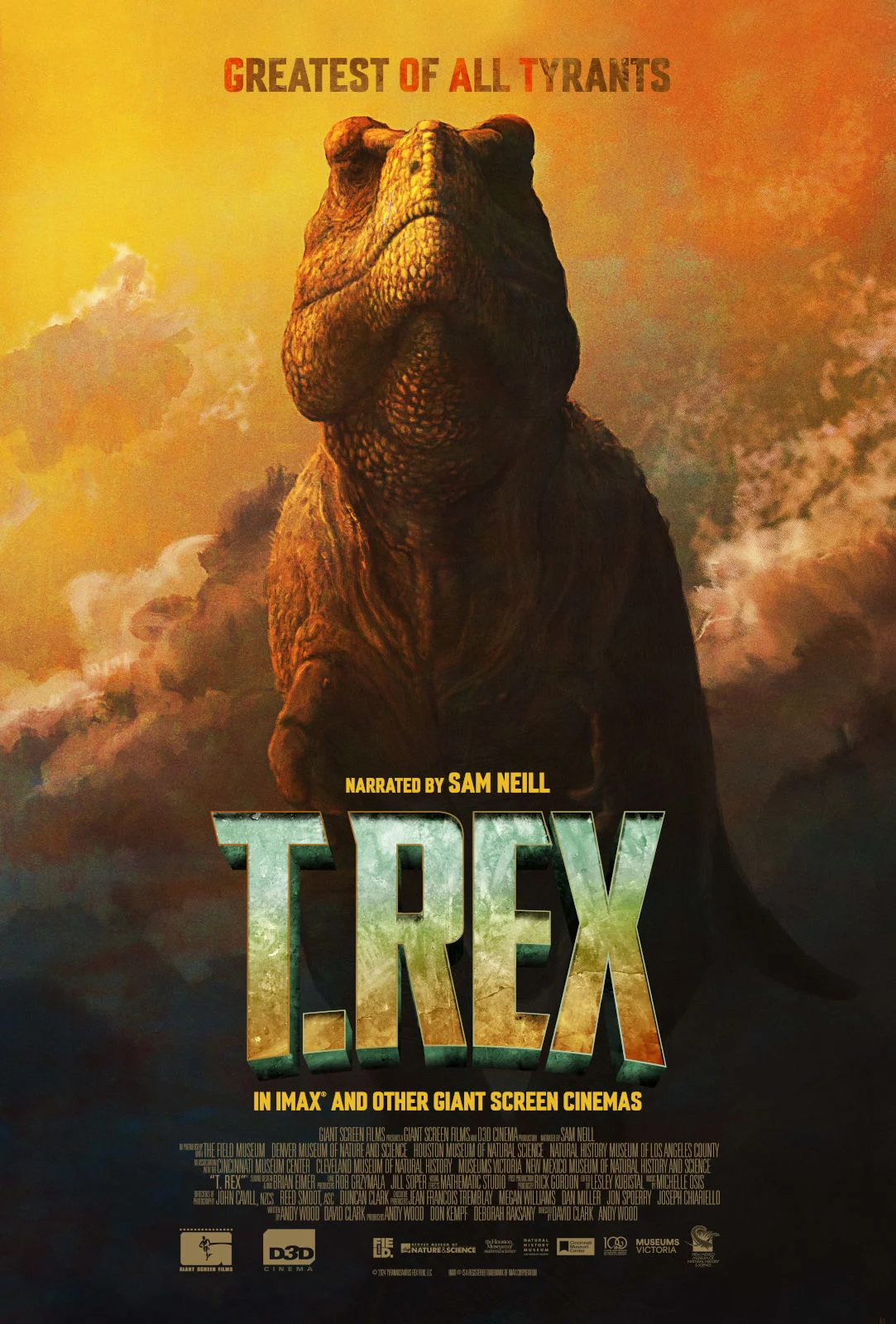
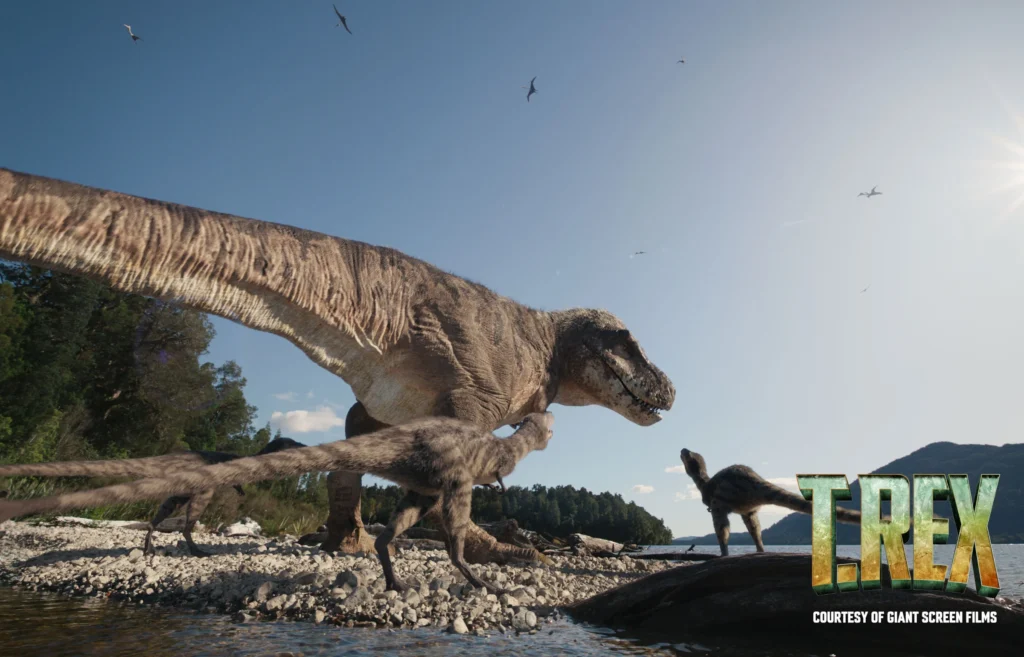
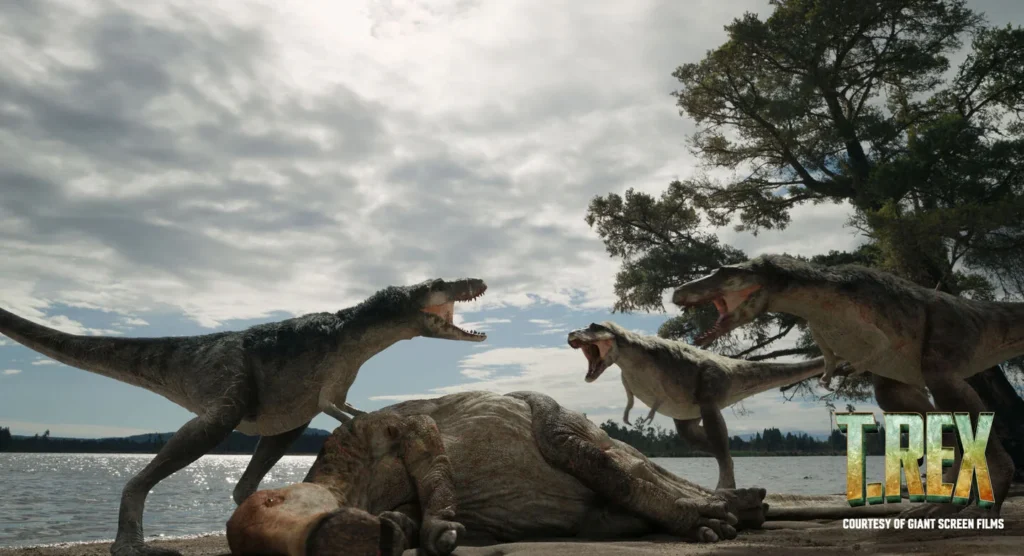
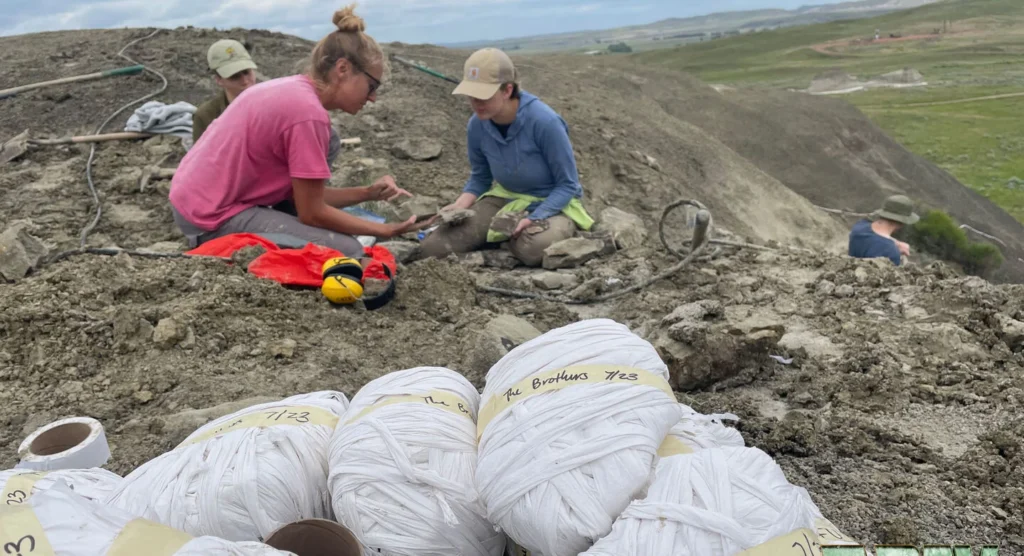
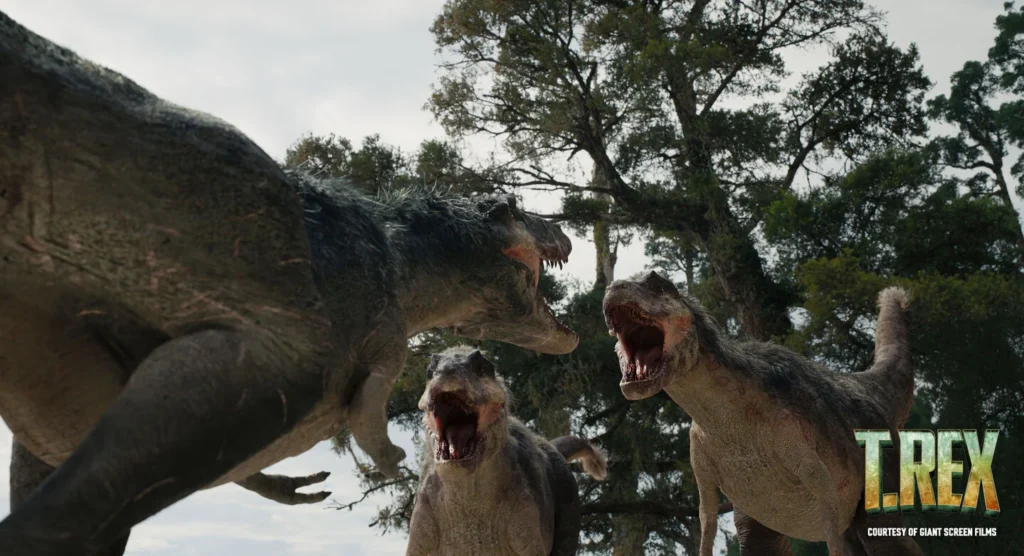
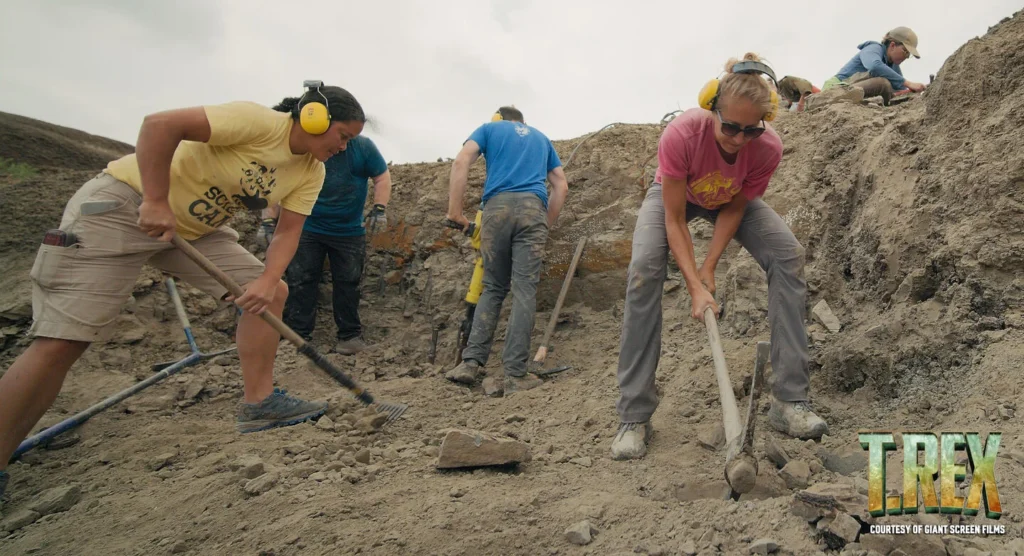
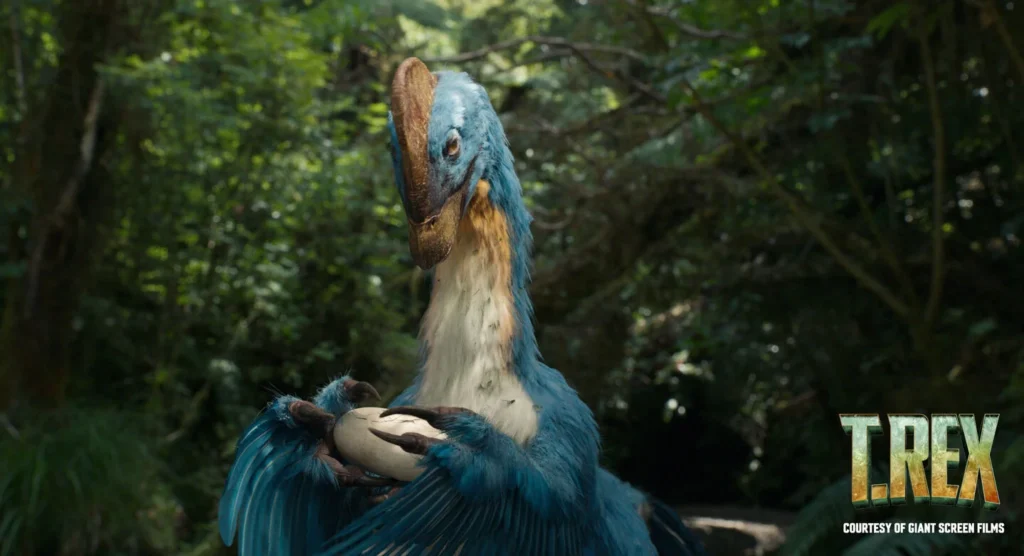
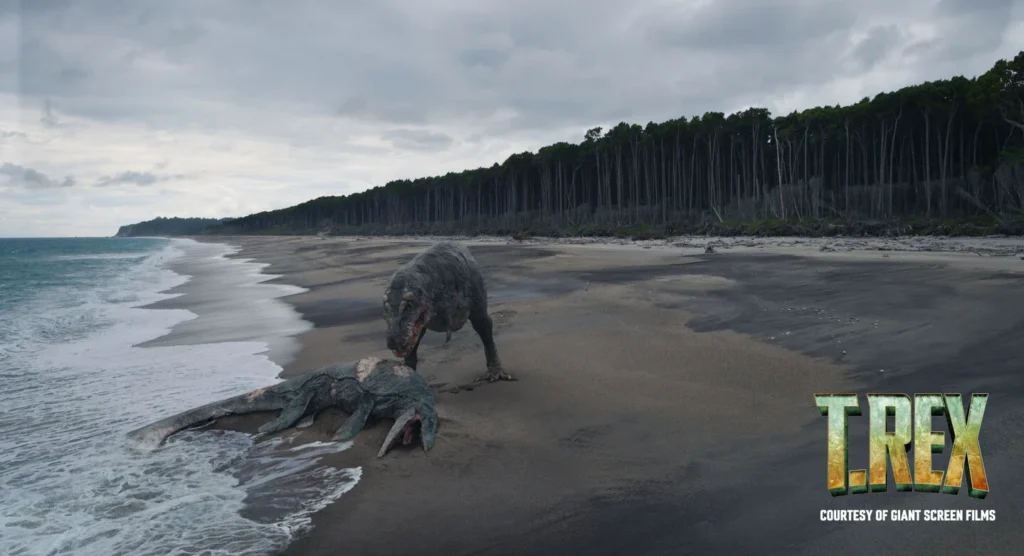
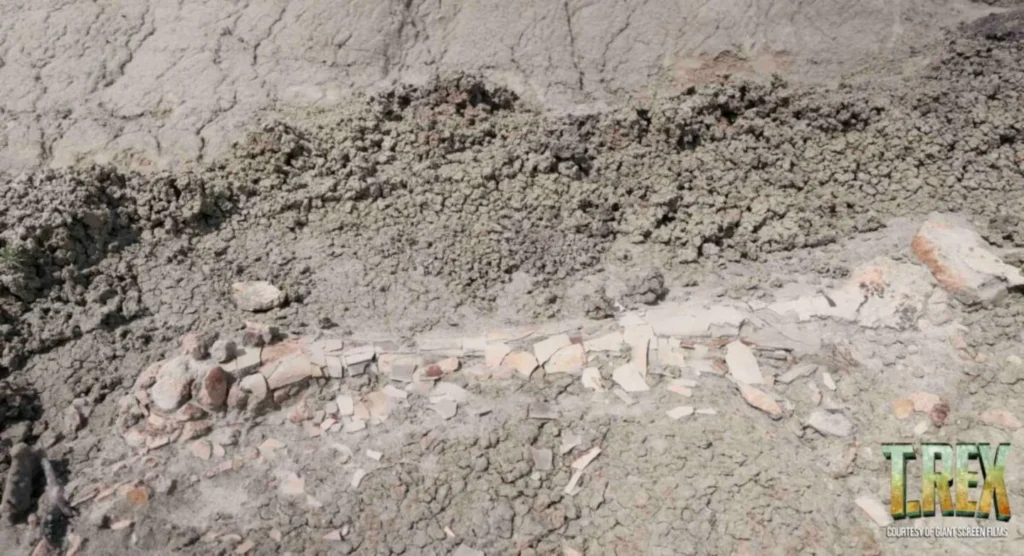
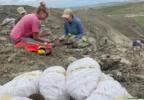
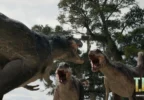
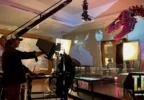
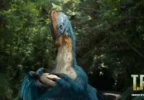
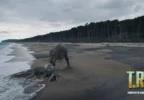
Anchored by the true story of the young fossil hunters who made the discovery of a lifetime when they spotted a large fossilized leg bone on a walk on public lands in North Dakota, T. REX intercuts the remarkable fossil dig, with cutting edge computer graphics that bring the iconic T. rex—from hatchling to hulking adult—to life. Narrated by Jurassic Park actor Sam Neill, T. REX explores the newest science that has helped reinvent our understanding of the iconic predator.
For over a hundred years dinosaurs have inspired and thrilled audiences, commanding blockbuster status in museums and at the box office. But among them towers a king—a tyrant lizard king. With leaps in CGI wizardry and revolutions in tyrannosaur paleontology over the past twenty-five years, the time has come to revisit rex in the world’s prestigious museum cinemas.
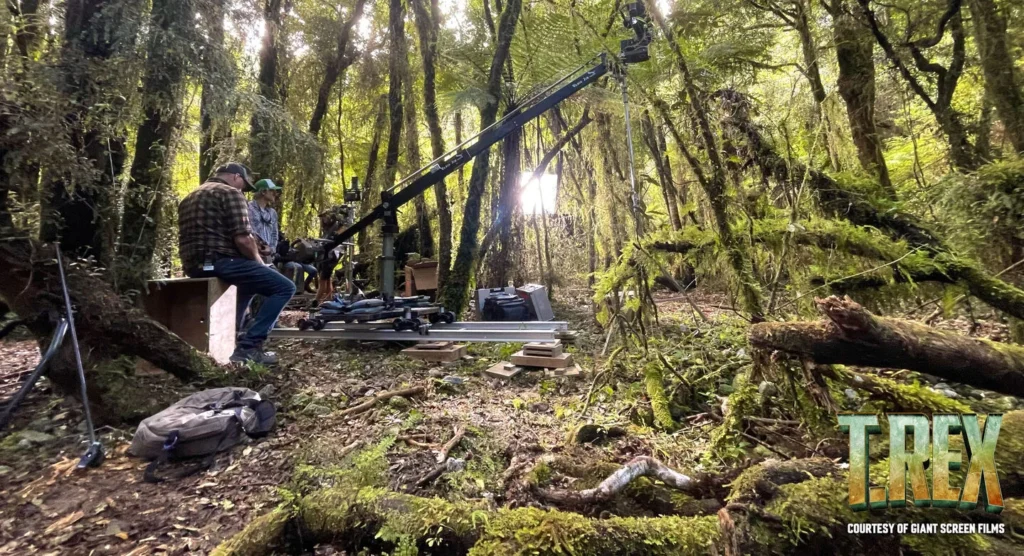
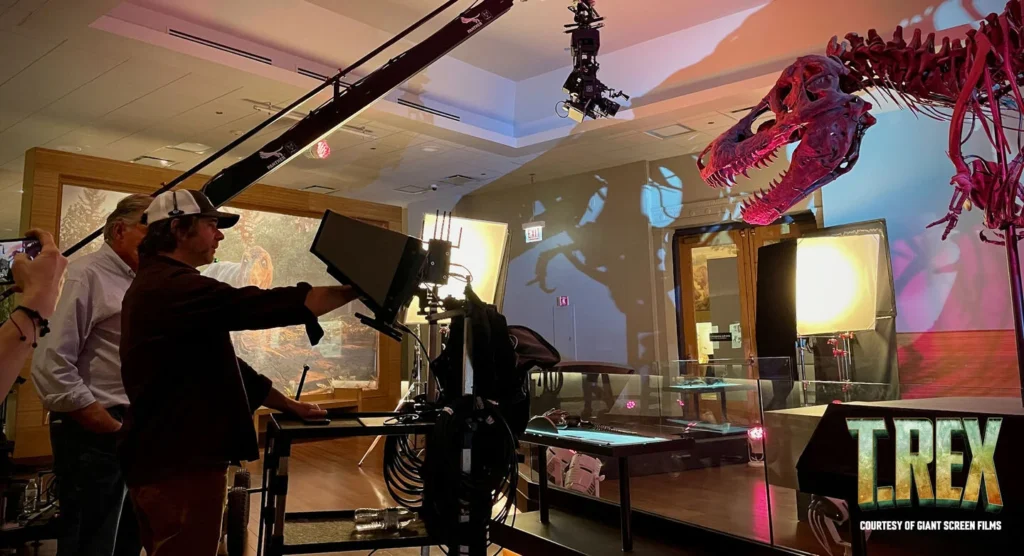
Working with top tyrannosaur scientists, a coalition of natural history institutions, and pioneering paleo and visual effects artists, GSF’s original giant screen production on this iconic dinosaur—and its carnivorous Cretaceous cousins—aims to be the most dazzling and accurate T. rex documentary ever made.
With hat tips to famous specimens, landmark discoveries, and wild cinematic depictions over the last century, the film will explore the interplay between speculation and evidence, and reveal how the process of science refreshes and reimagines our understanding of this legendary predator.
RATING: G – General Audiences
RUNTIME: Approx. 45 minutes.
T. rex lived between 66 to 67 million years ago. This was at the end of the Cretaceous period which started 145 million years ago, ending right around when T. rex became to be.
According to some experts, there is a gap in the fossil record from 69 million to 67 million years ago in what is now the Western U.S. and Canada, where T. rex fossils are typically found.
Up until 69 million years ago, many of the dinosaurs in the Hell Creek Formation, which includes parts of present day Montana, North Dakota, South Dakota and Wyoming, were small, or no longer than 30 feet (9 meters) long, Carr told Live Science. After the “blackout,” fossils from 67 million years ago show that the dinosaurs were larger and completely different to before. It’s also the first time that T. rex remains appear.
| Ages | Pricing | |
|---|---|---|
| Members | FREE* | |
| Children (ages 2-12) | $9.50 | |
| Adults (ages 13-59) | $11.50 | |
| Seniors (ages 60+) | $9.50 | |
| Military | $9.50 | |
Groups: $8.50 per person for all groups
*Free tickets based on membership level

INTRODUCTION
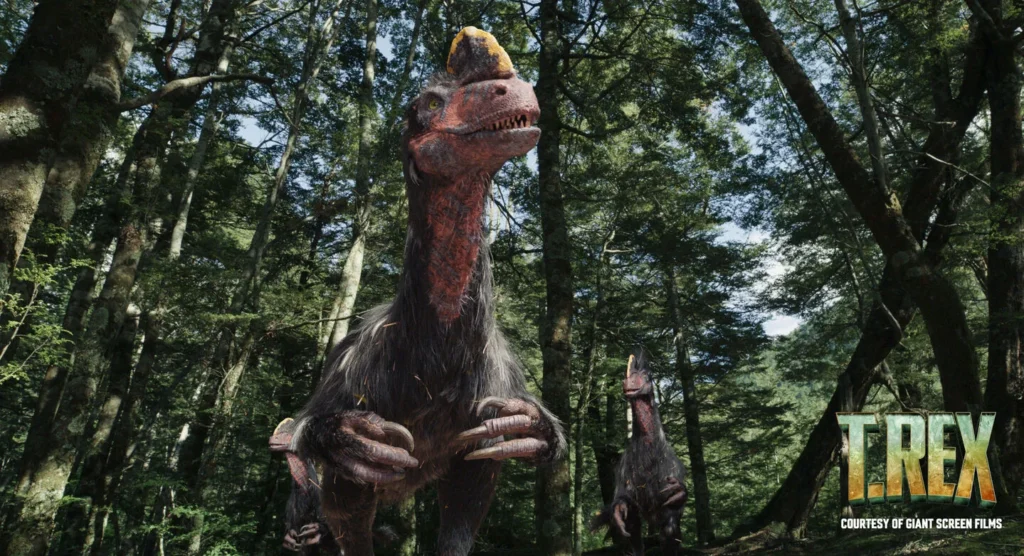
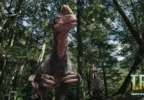
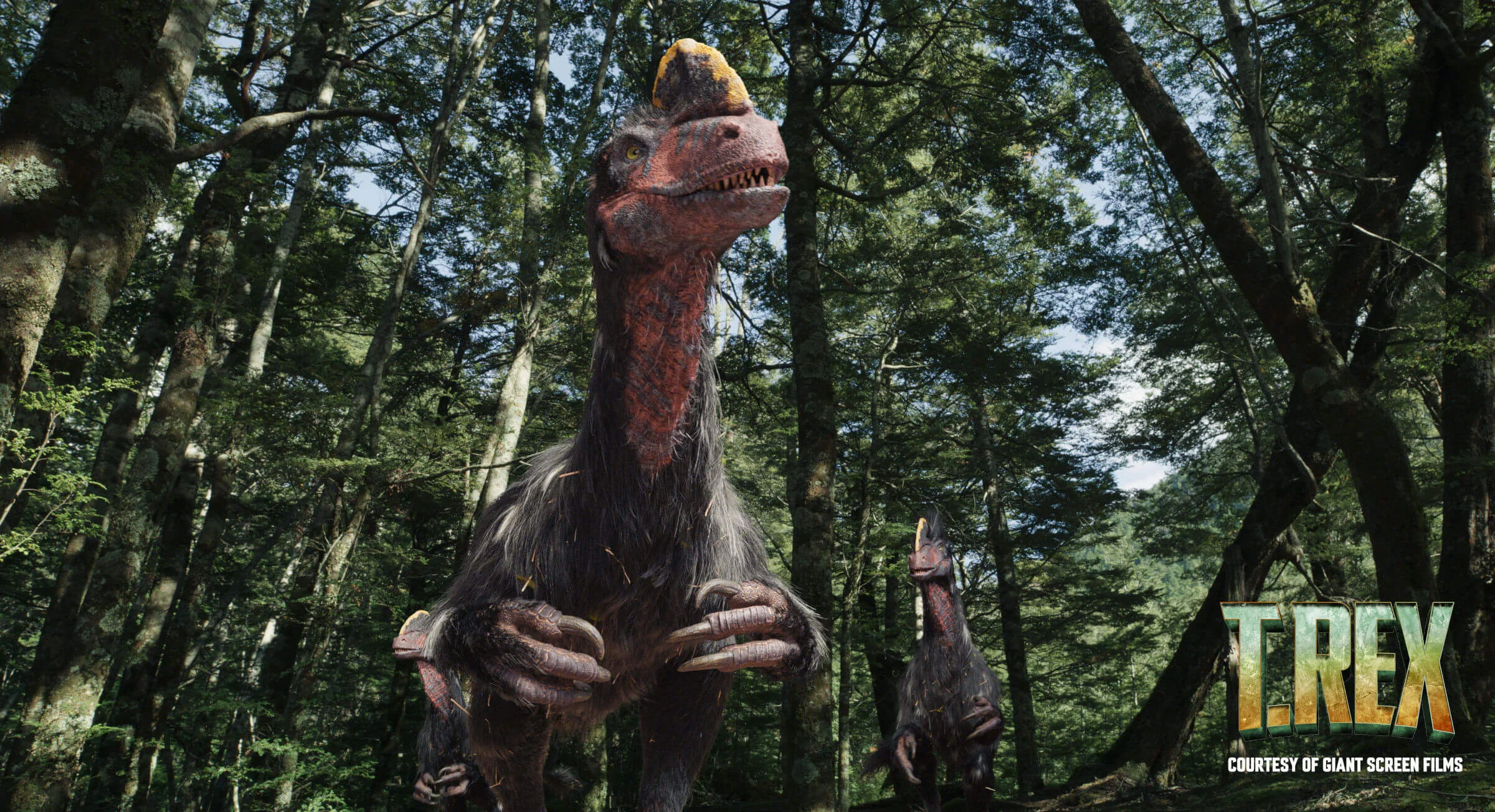
Named from the Chinese words guan, meaning ‘crown’, and long, meaning ‘dragon’. This references to its flashy head-crest, the most elaborate of any known theropod dinosaur. The name comes from the Chinese word wucai meaning ‘five colours’ and refers to the multi-hued rocks at Wucaiwan, the badlands where fossils of Guanlong were found.
Guanlong wucaii is one of the most primitive tyrannosaurs known. It hunted its prey 95 million years before T. rex lived.
IDENTIFICATION
Guanlong wucaii was a small to mid-sized early tyrannosaur and a member of the family Proceratosauridae.
Guanlong wucaii was not your typical tyrannosaur! It has long arms and three-fingered hands for grabbing and ripping. The shape of its teeth, and features in the skull and pelvis place it in the tyrannosauroid superfamily. Like many other theropods, it almost certainly had feathers.
Guanlong’s head crest ran along its snout, from nostrils to eye sockets. It was distinctly delicate, too flimsy for use as a weapon, and probably brightly colored. Made from fused nasal bones, the crest was filled with air sacs and reminded the discoverers of the ornamental features found on some living birds, like cassowaries and hornbills. The crest may have been attractive to other Guanlong. This was very unusual in a predator.
HABITAT
Guanlong hunted in forests, predominantly made up of conifers and ferns, including giant forms. The climate was seasonal, with warm and humid summers and dry winters.
DISTRIBUTION
The first Guanlong fossils were found in 2002, and described and named in 2006.
One of the earliest tyrannosauroids yet to be discovered, Guanlong roamed what is now Xinjian, China, during the Late Jurassic Period, 163-158 million years ago.
Want to learn more?
The discovery of a teenage T. rex is significant because many T. rex fossils found are from older, larger animals. The teenage specimen provides researchers with an opportunity to study the growth and development of T. rex during this crucial phase of their life, the period of fastest growth, offering insights into how these formidable predators matured.
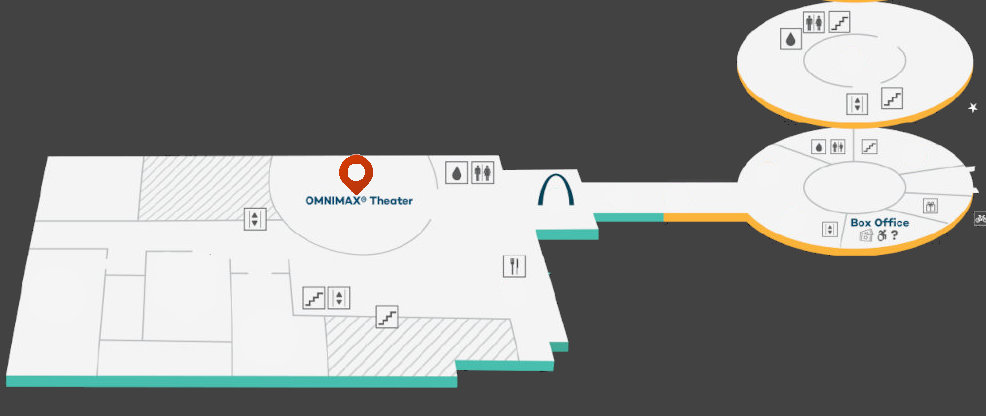
OMNIMAX Theater films take place in the OMNIMAX Theater on the second floor of the main 5050 Oakland building. Access is available through the main entrance, then the stairs in the main lobby to the second floor.
Become a Science Center member to receive free OMNIMAX tickets, discounted admission to feature films, and unlock a year of exclusive benefits just for members.
Plus, members help support the nd our mission to make science learning open to everyone.

Convenient wheelchair accessible seating for the OMNIMAX is available via the third-floor theater entrance. Elevators and ramps serve all public areas of the OMNIMAX.
OMNIMAX offers hearing assistance that is not available at any other theater in the region. This includes new adjustable caption devices, new hearing assistance devices with Descriptive Video Services (DVS) and Telecoil. When ordering tickets, please let your reservationist know you’re interested in these items, or see an usher before your film begins.

5050 Oakland Avenue
St. Louis, MO 63110
314.289.4400
Get Directions
Clayton Ave. at Faulkner Dr.
in Forest Park
Get Directions