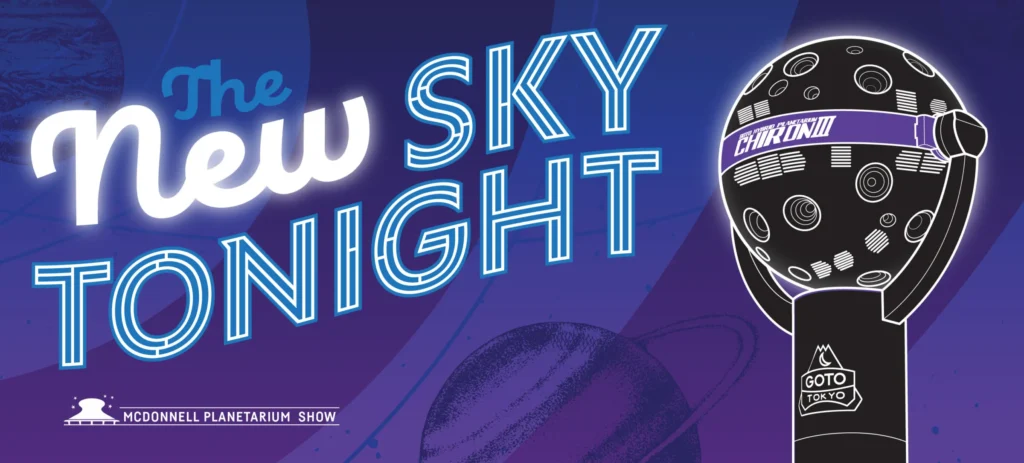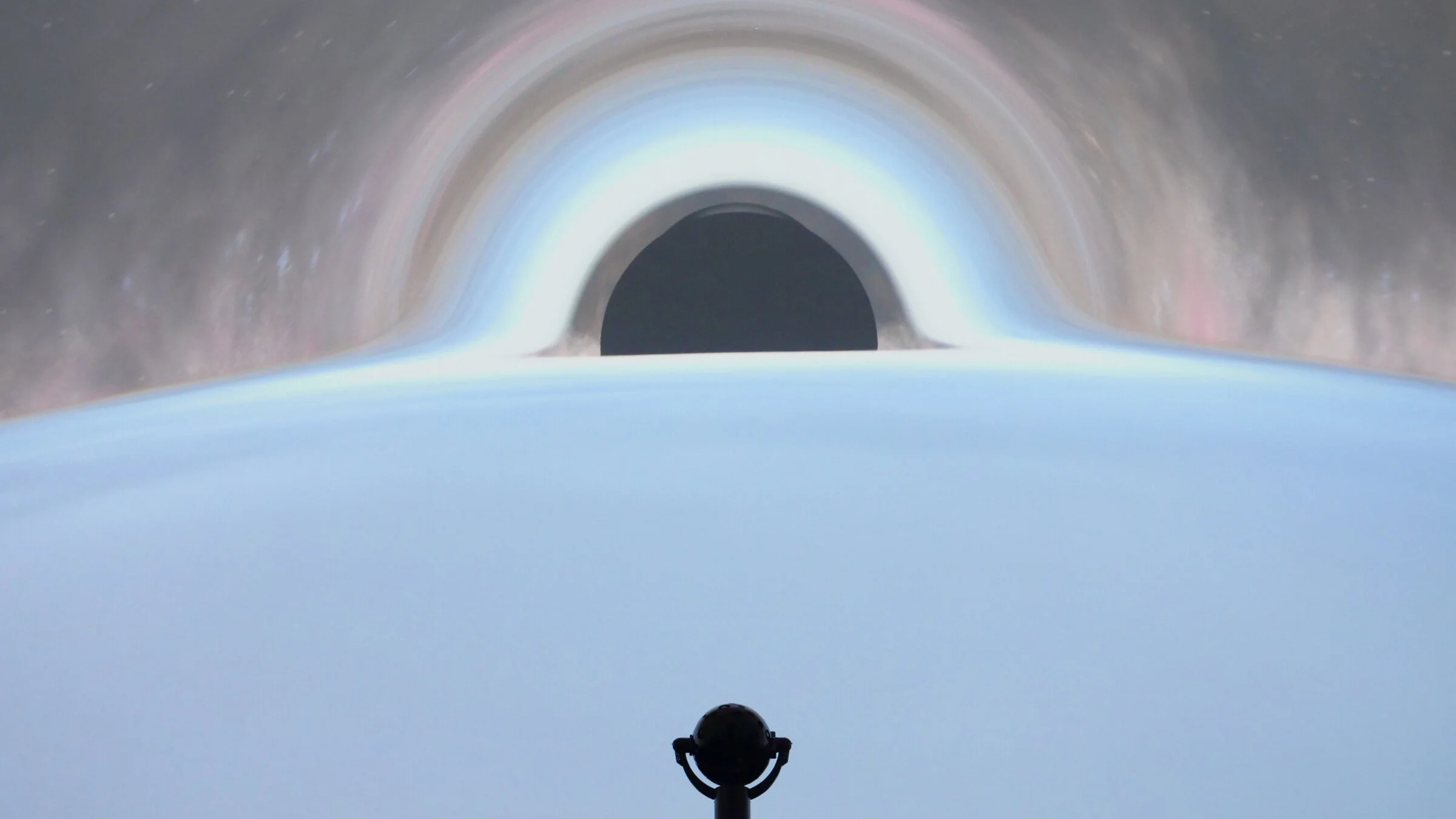
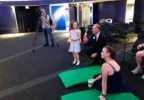
On Saturday, July 18, community members, special guests, elected officials, and more gathered at the Saint Louis Science Center’s James S. McDonnell Planetarium to celebrate the grand reopening of the newly upgraded Bill and Laura Orthwein StarBay. Following a six-month closure, the McDonnell Planetarium debuted its new, cutting-edge projection system featuring the GOTO Chiron III Hybrid Star Projector—the first of its kind to be installed in the U.S.—and a Cosm Digistar Full-Dome Data Visualization System.
The updates served as the McDonnell Planetarium’s largest upgrade in 25 years and were made possible by a generous gift from the St. Louis-based Centene Foundation. Building on a legacy of millions of people served by the McDonnell Planetarium since its opening in 1963, the upgrades position the Planetarium to continue inspiring the St. Louis community for many years to come. (Over its opening weekend alone, the Planetarium would welcome nearly 1,300 people to see the upgrades and new programming on offer.)
To help mark the moment, a number of special guests attended Saturday’s ribbon cutting, including Nobutaka Goto, President of GOTO, and Rajiv Patel, Chief Transformation Officer at Centene Corporation; government officials like Missouri State Senator Karla May and St. Clair County Board Chairman Mark Kern; and local education professionals like Dr. Myra Berry, superintendent of Saint Louis Public Schools, and Dr. Harvey Fields of Harris-Stowe State University. Members of the Science Center’s Board of Commissioners, including chairman Dr. Mark Wrighton, joined to help celebrate as well.
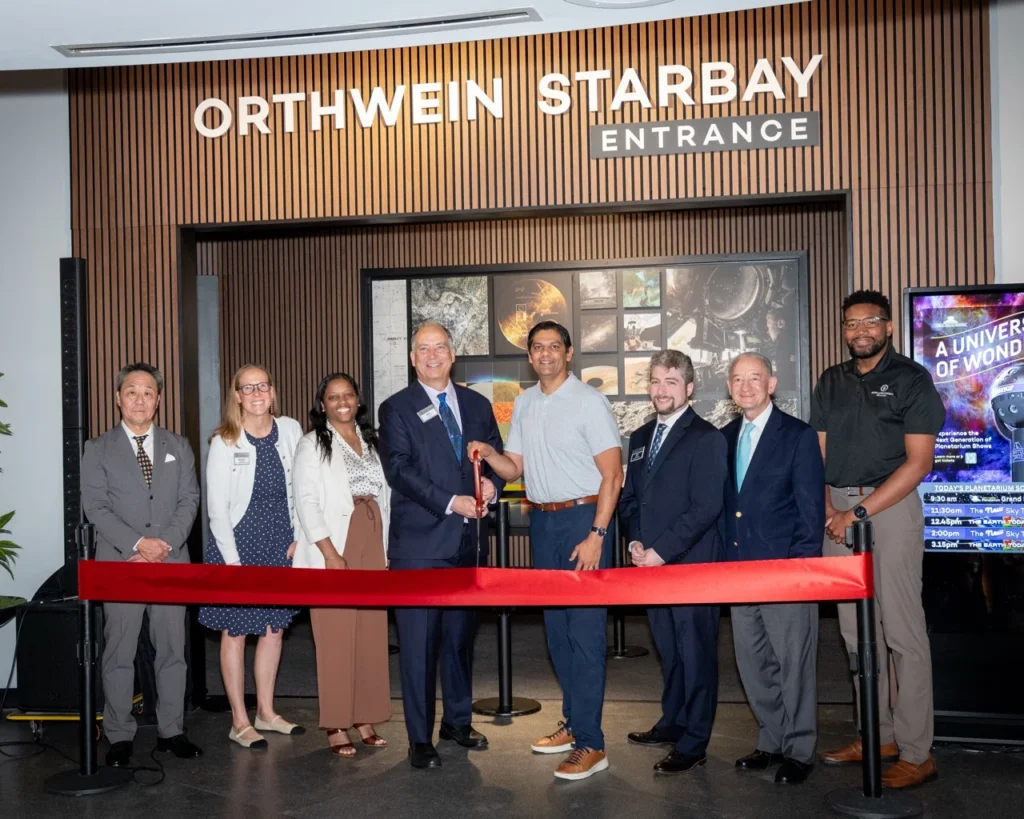
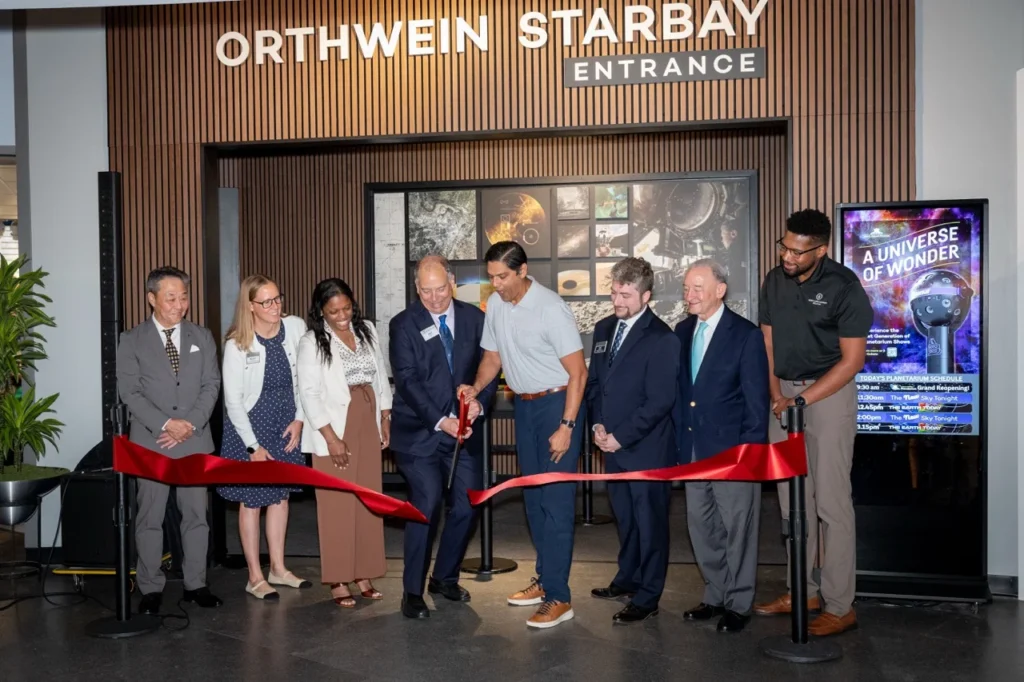
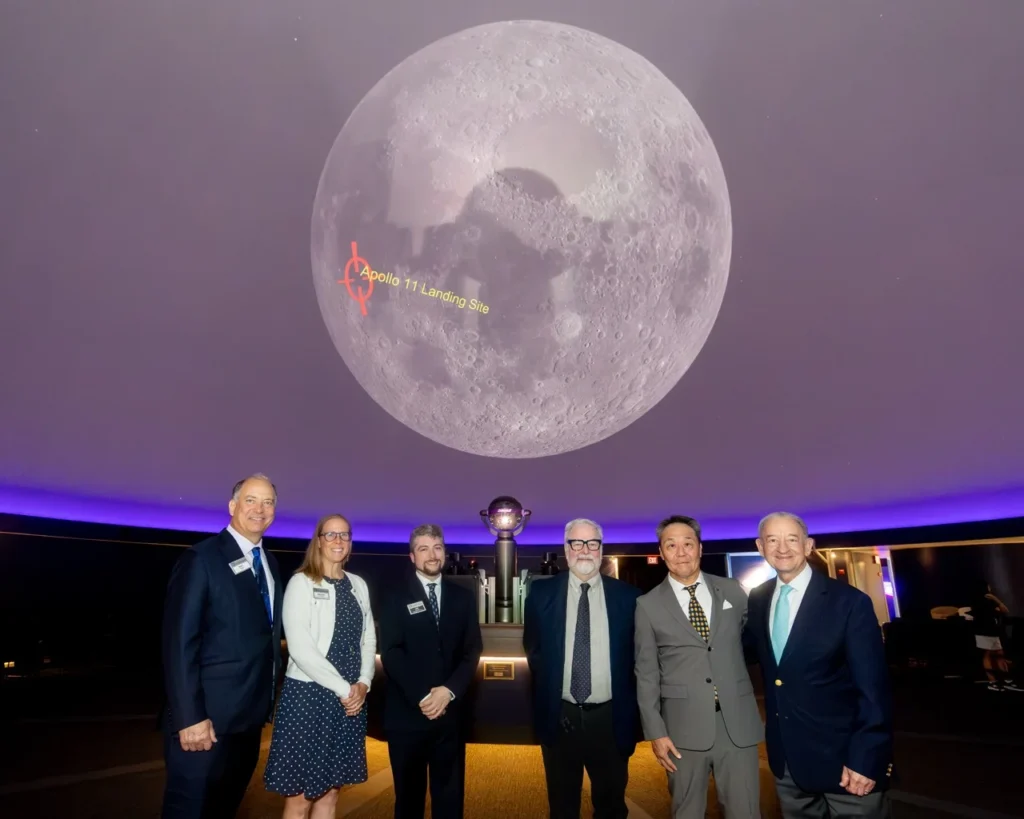
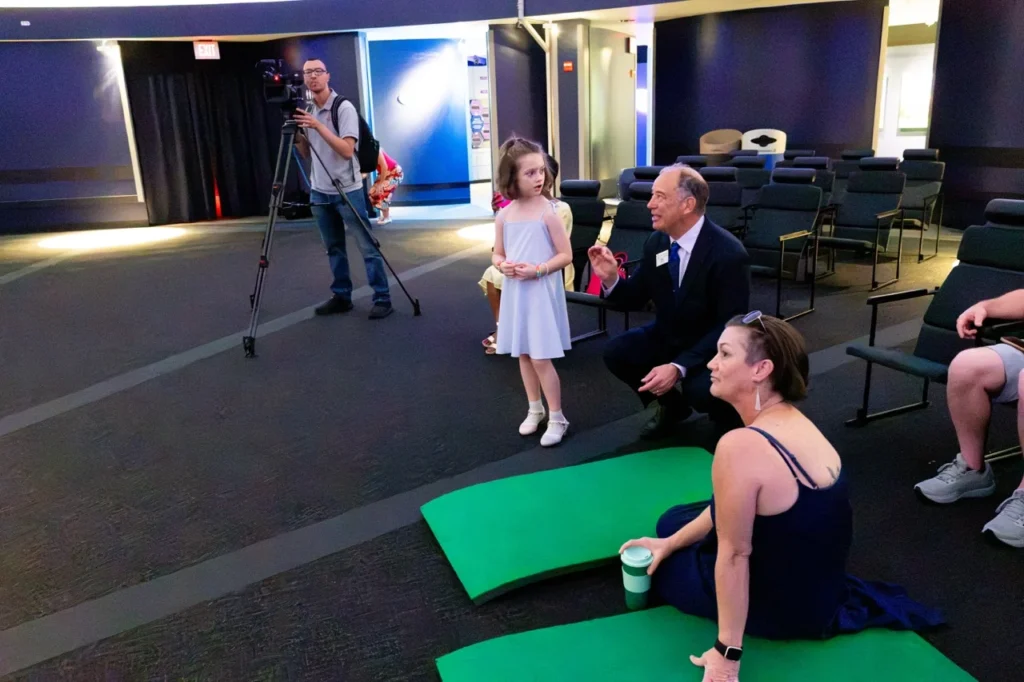
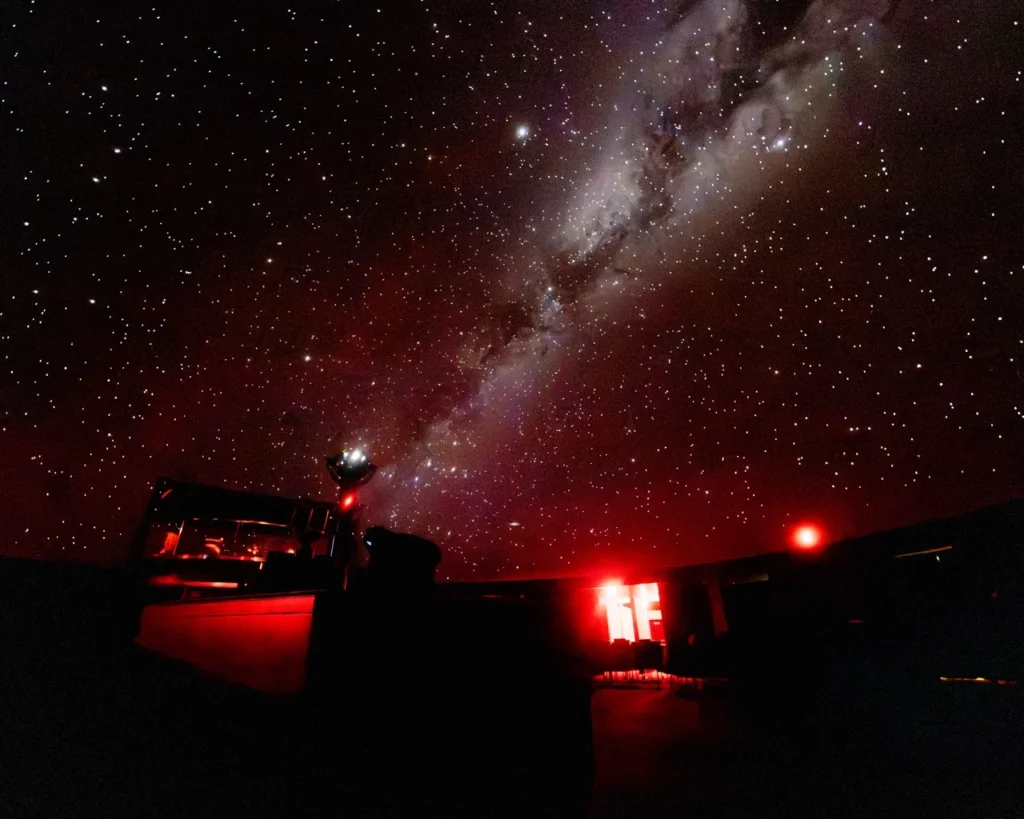
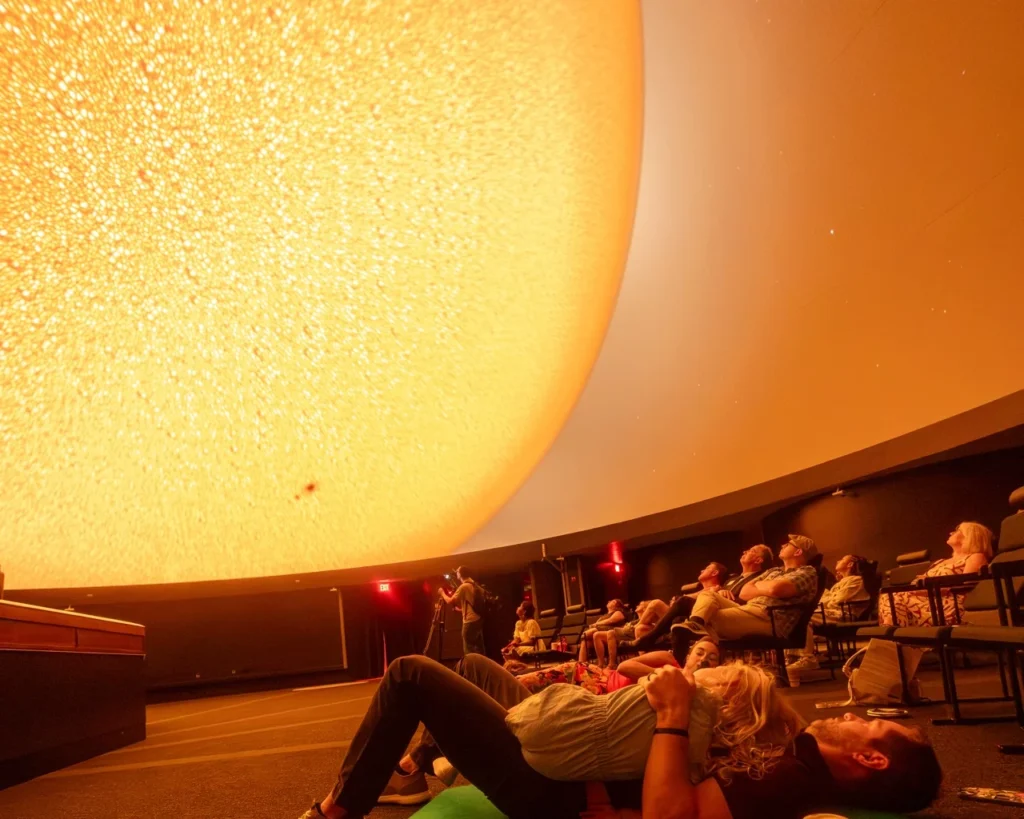
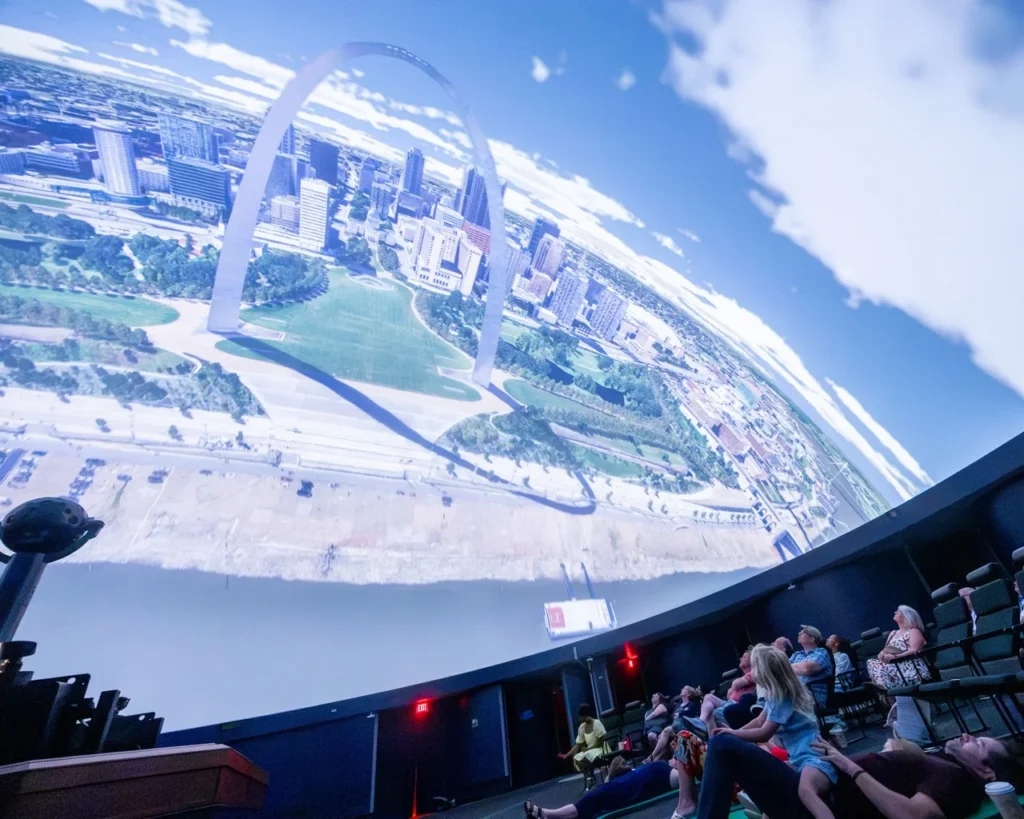
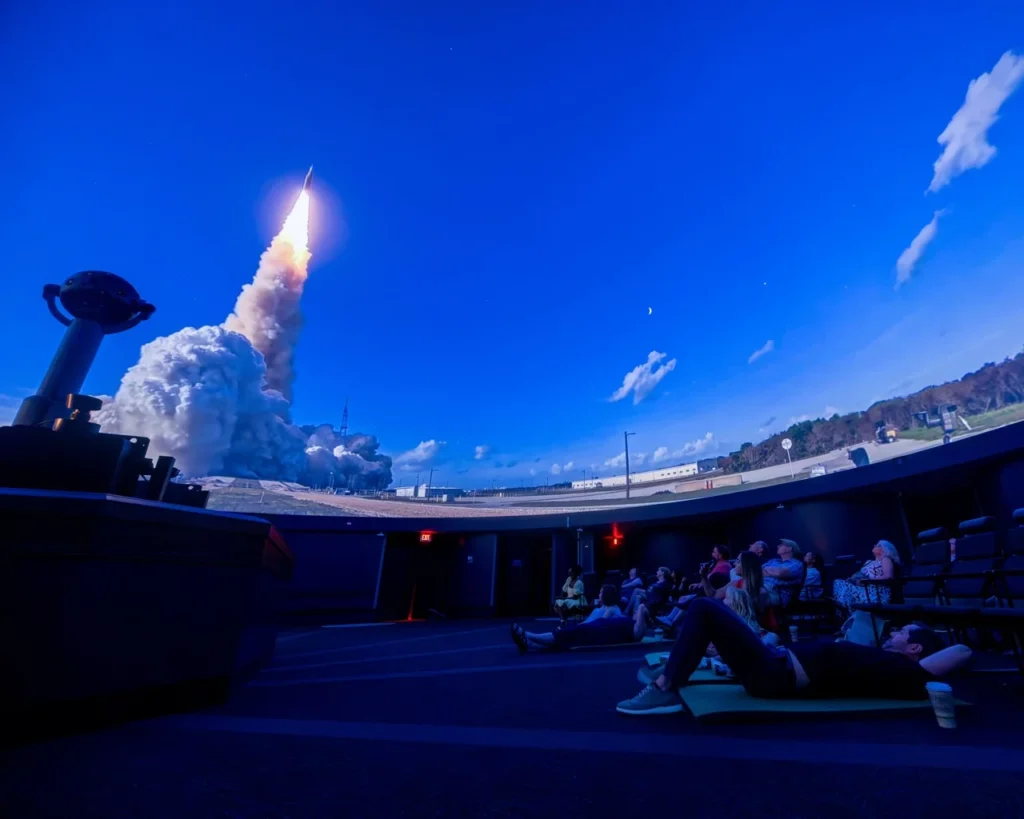
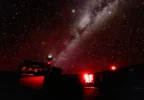
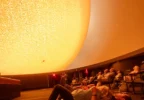

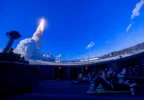
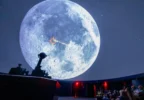
Following the ribbon cutting, guests had the opportunity to see the technology in action and witness the new wonders possible in the McDonnell Planetarium.
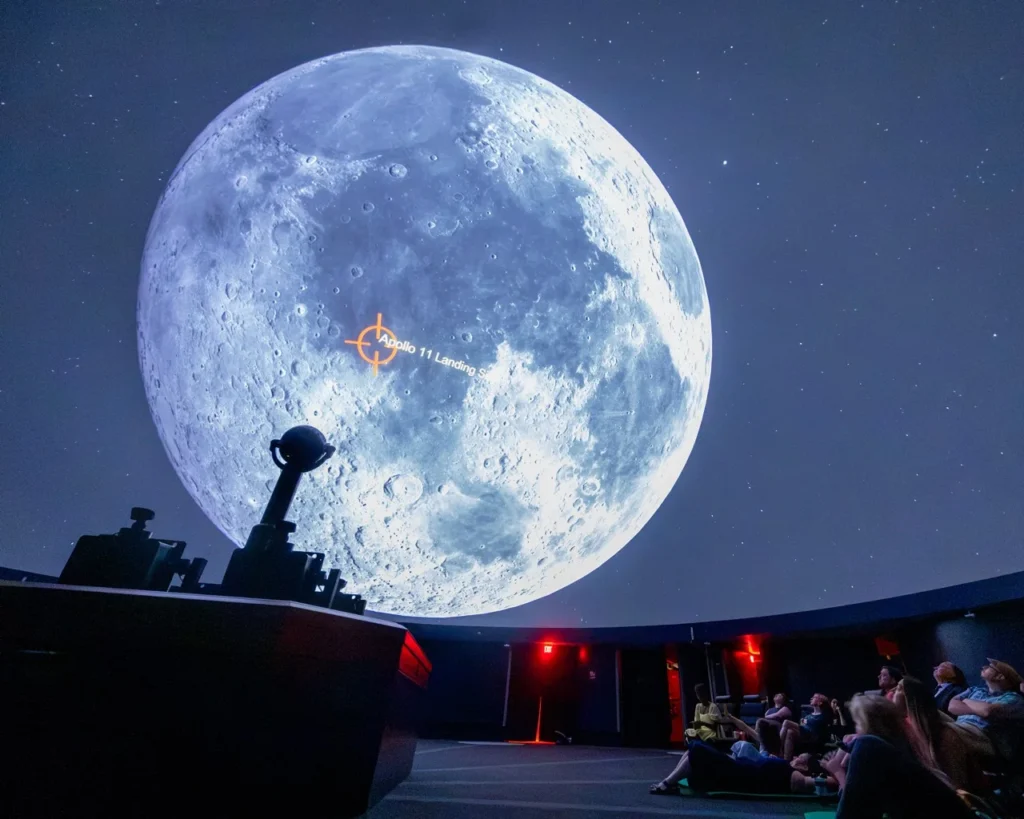
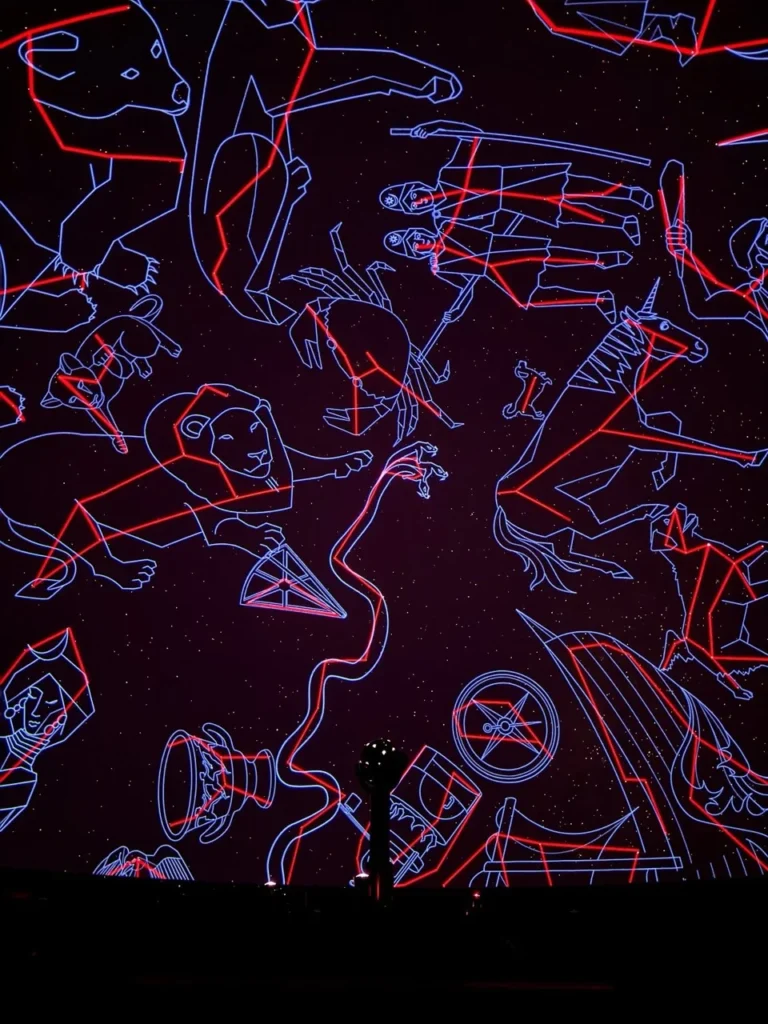
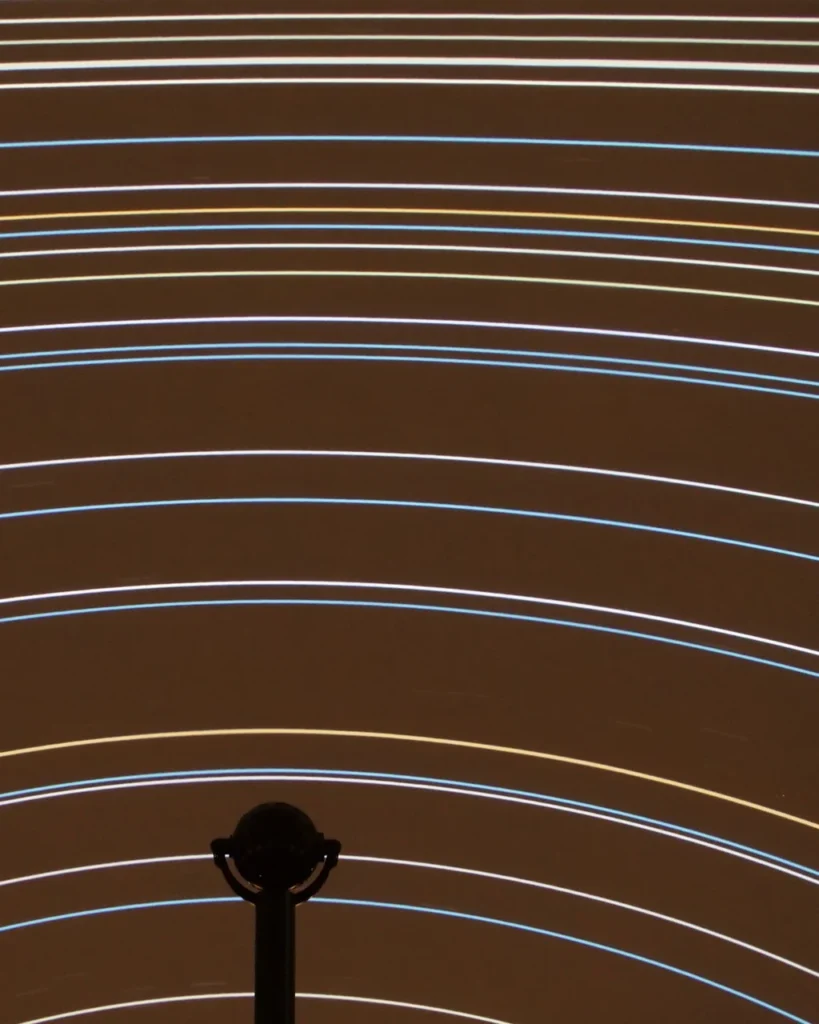
After guests took their seats and the overhead lights dimmed, the StarBay dome revealed the night sky over St. Louis. From there, the presentation highlighted many of the constellations that could be spotted in the sky without the interference of clouds or light pollution. Then, audience members flew close to the Sun’s surface, near enough to see sunspots and the rippling of the star’s superheated surface, before zooming out for a view of the Milky Way galaxy and beyond.
Perhaps one of the most exciting advancements came from the new system’s ability to utilize advanced geospatial mapping information from places like NASA and NOAA, enabling guests to peer back at Earth from above to explore orbital satellites, wind patterns, ocean currents, and more.
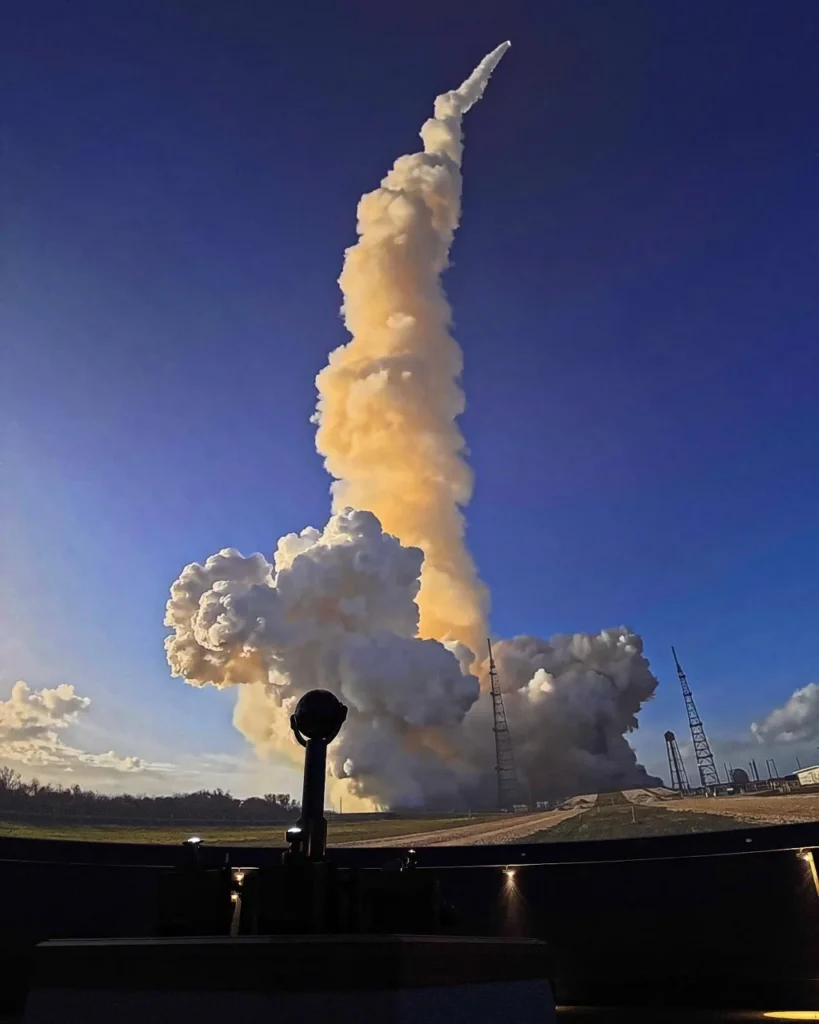
Attendees were treated to a bird’s eye view of the St. Louis area, including the iconic Gateway Arch, as well as looks at the Moon (complete with an overlay of the Apollo 11 landing site) and an immersive 8K video recording of the recent Artemis II mission launch, highlighting just some of the experiences that are now possible with the new system.
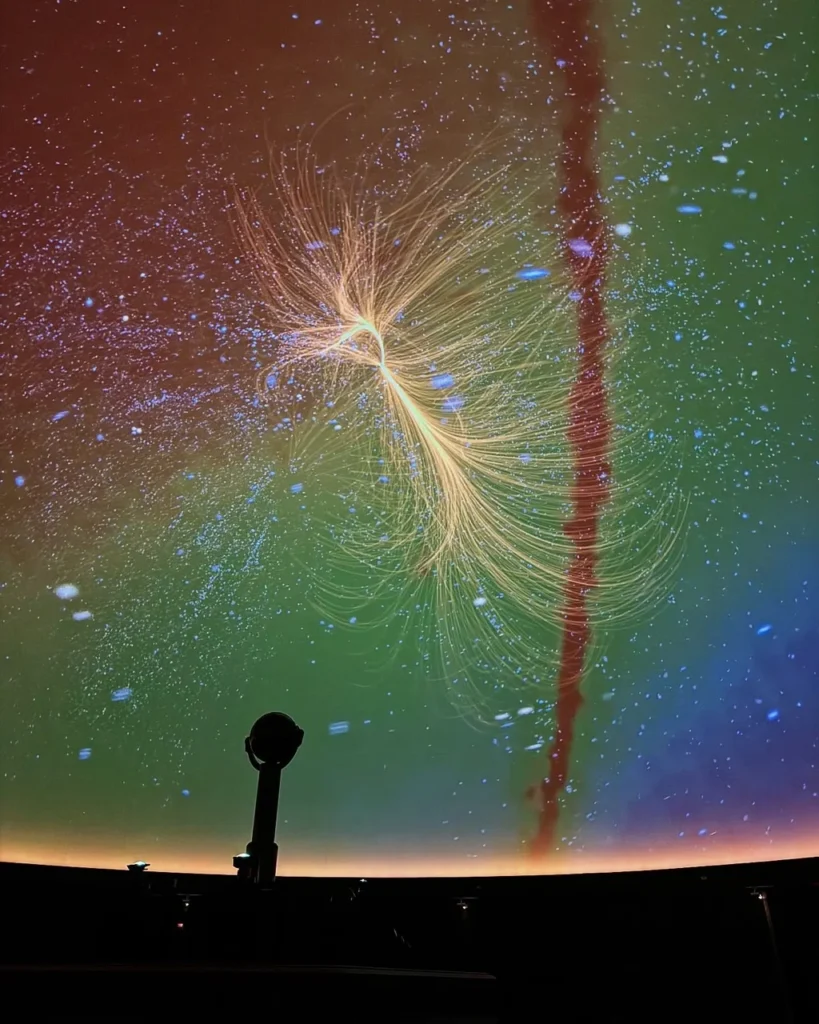
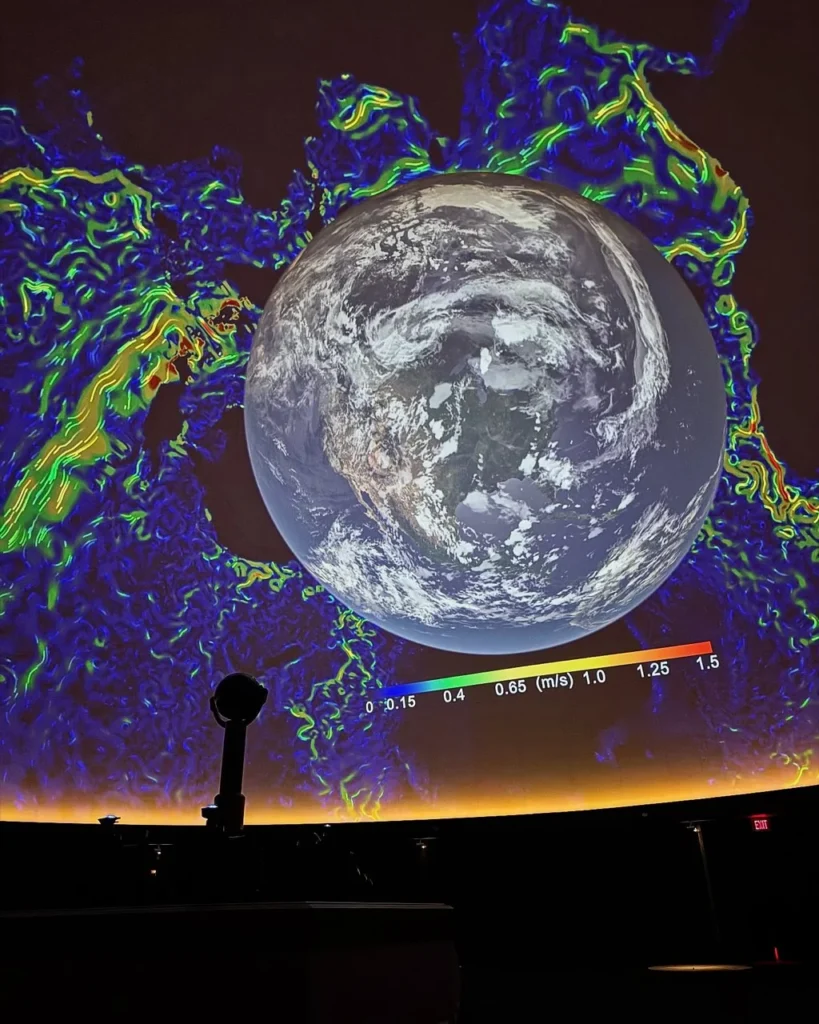
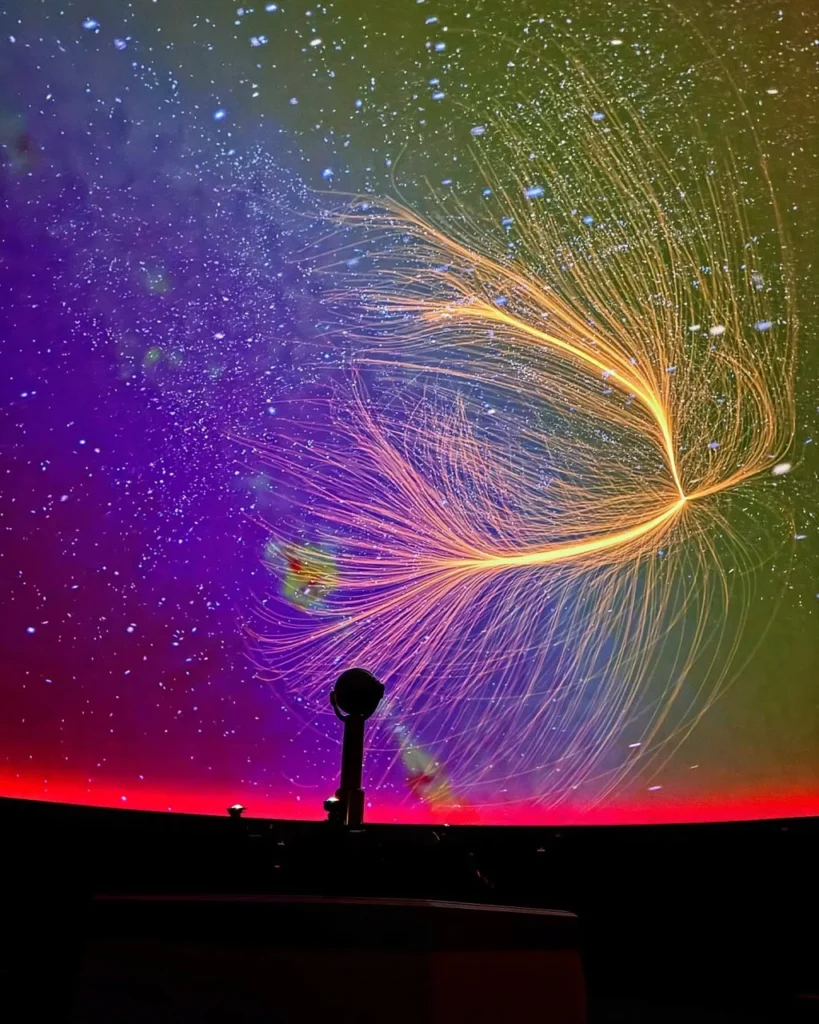
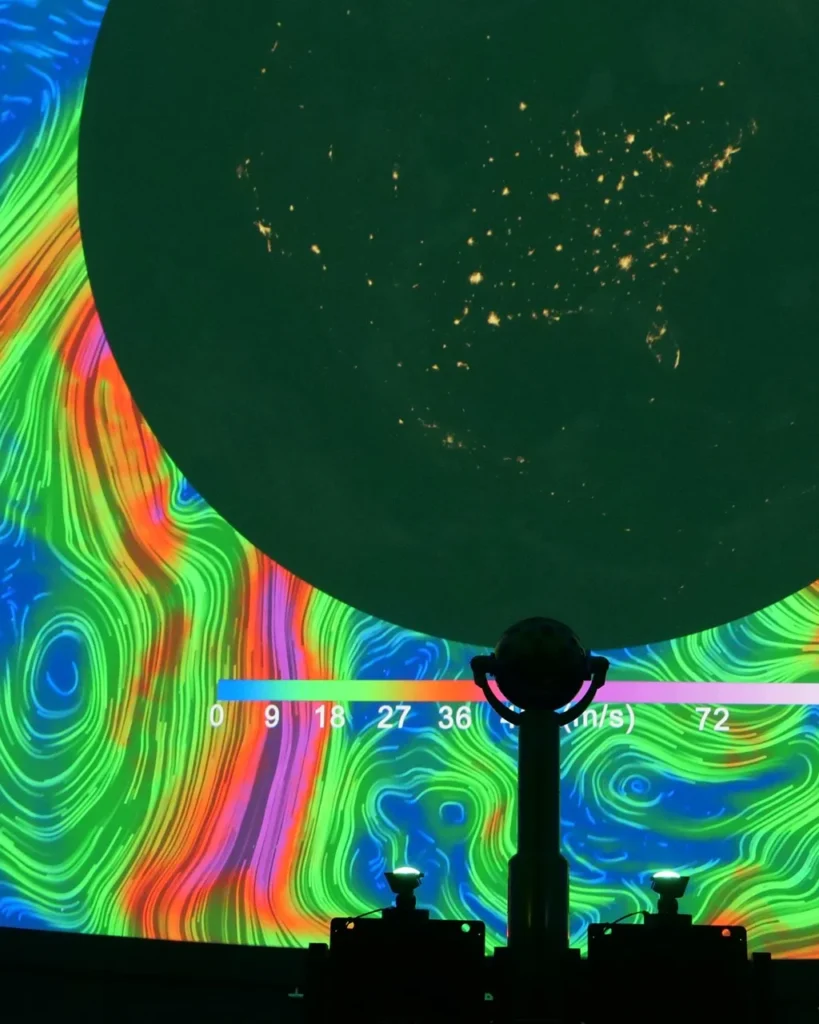
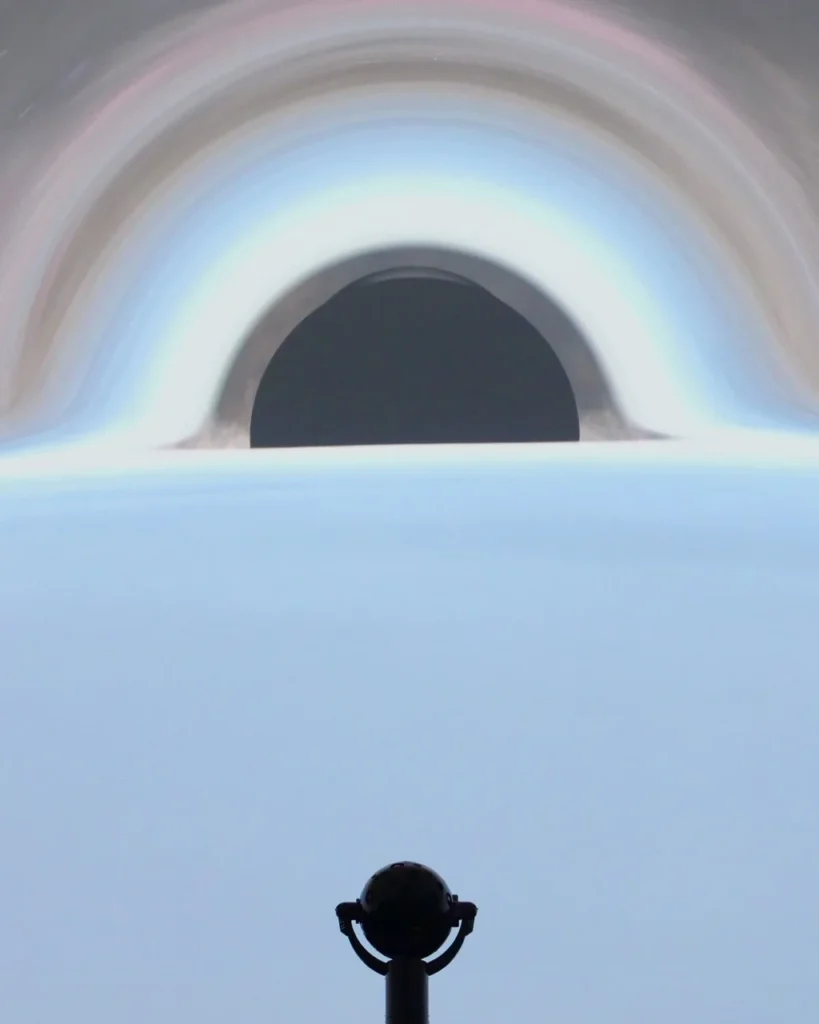


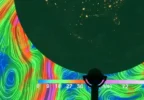

To utilize the new technology, the McDonnell Planetarium team redeveloped guest favorite shows, including The (New) Sky Tonight, which looks at objects visible in the night sky over St. Louis, and The Little Star That Could: 360, an animated adventure for younger learners. The team also debuted a new program, The Earth Today, which brings many of the new system’s geospatial capabilities to life by looking down at our home planet from space.
Thank you to everyone who attended the reopening of the McDonnell Planetarium’s Orthwein StarBay and helped make this upgrade possible! Be sure to stop by your Science Center to see one of these new Planetarium Shows in action!
Click each image below to get tickets: