Provided Telescopes and Recent Technology Upgrades Allow Event to Occur Whether Skies are Clear or Cloudy
- The Saint Louis Science Center hosts a free program at the James S. McDonnell Planetarium to view the partial lunar eclipse on Aug. 27.
- Guests can observe the lunar eclipse, view planets and learn about the Nancy Grace Roman Space Telescope mission during the program that runs from 8-11 p.m.
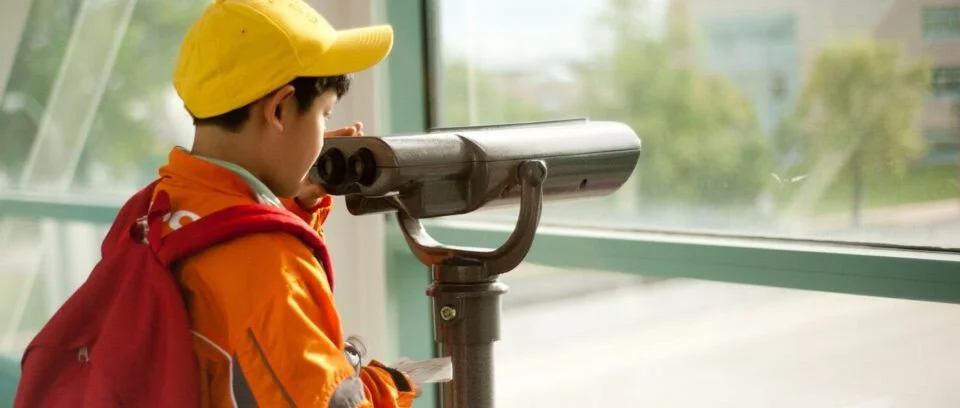
- If the weather allows, guests may use provided telescopes to observe the eclipse. Or, if cloudy, the new hybrid planetarium projection system will livestream the eclipse from a clear location.
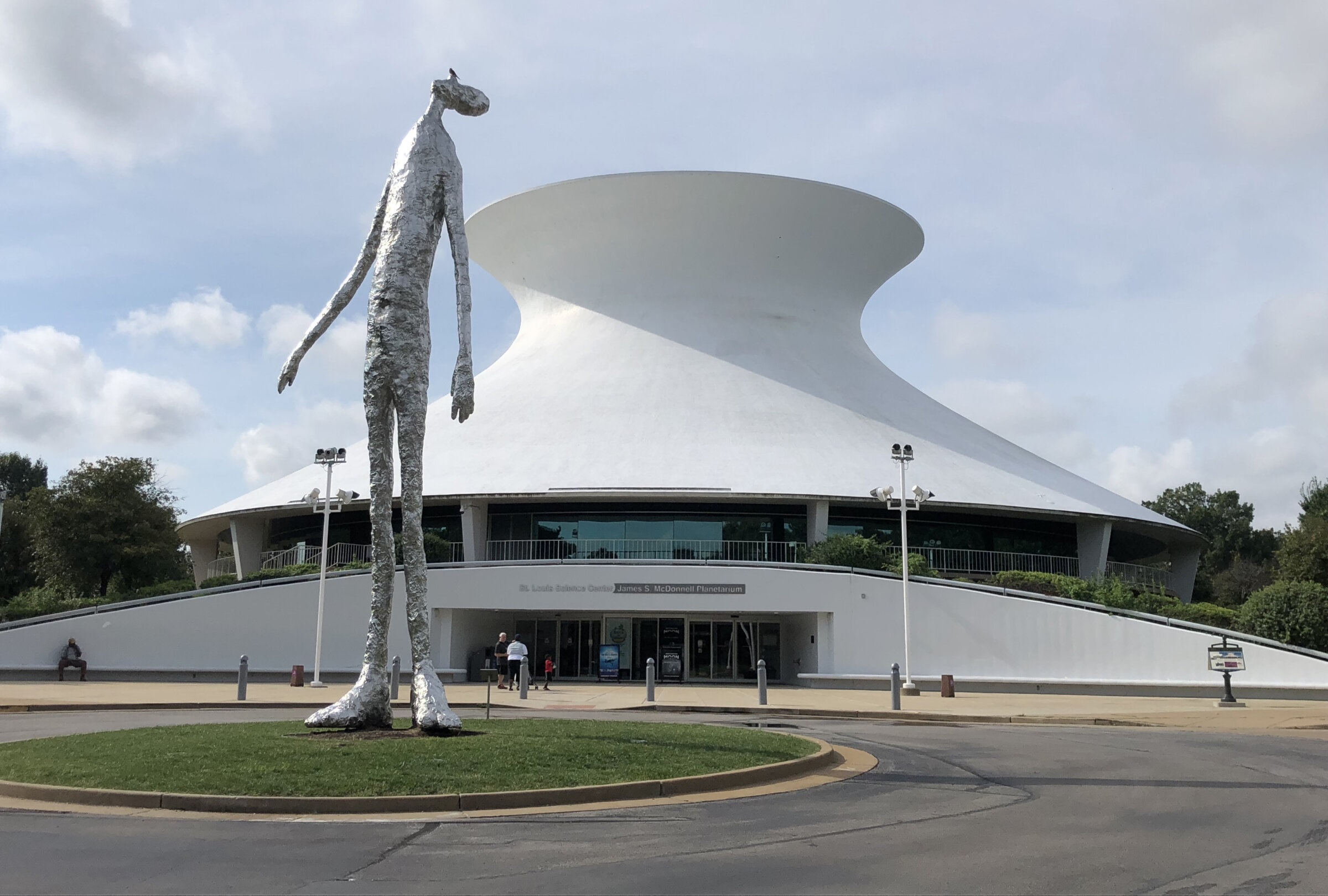
ST. LOUIS, MO – August 11, 2026 – On Thursday, Aug. 27, the Saint Louis Science Center will offer guests the opportunity to view a partial lunar eclipse during a free program that features telescopes and the upgraded technology that was installed in the James S. McDonnell Planetarium this summer.
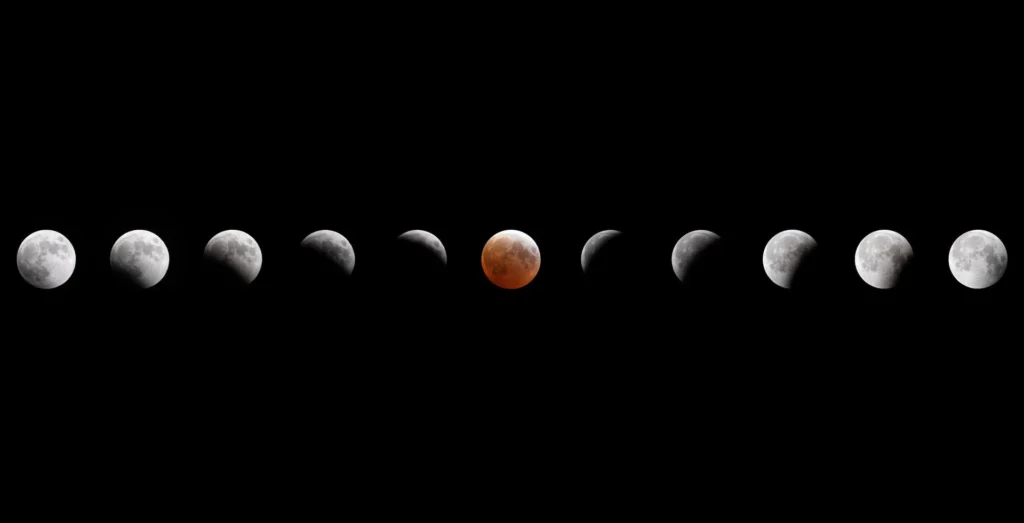
“When the Earth’s atmosphere diffuses the path of sunlight during a lunar eclipse, it gives the moon’s surface a reddish-orange hue that is a must see during the peak of the event,” McDonnell Planetarium Manager Will Snyder said. “While viewing it yourself through a telescope or the unaided eye is ideal, we’ll be taking advantage of the new hybrid technology in the Planetarium’s Bill and Laura Orthwein StarBay to present the colors and the path of the eclipse even if clouds cover our area, livestreaming the event from another location so our guests can experience the phenomenon as it occurs.”
Guests can observe the lunar eclipse as it occurs during the program that runs from 8-11:30 p.m. Other targets that may be viewed through provided telescopes and the technology inside the Orthwein StarBay include the planets Venus and Saturn, summer deep sky objects and more. Beyond stargazing activities, individuals from Washington University in St. Louis will be on site throughout the evening to discuss their work on the mission of the Nancy Grace Roman Space Telescope that is currently scheduled to launch August 30.
In addition to the Lunar Eclipse Event, Planetarium team members will offer several opportunities to view objects in the night and day skies throughout the year. Monthly star gazing programs on the first Friday of each month will present a brief program inside the Orthwein StarBay to highlight what’s visible in the night sky around our region and provide opportunities to view those objects using provided telescopes (weather permitting). These events are scheduled Sept. 4, Oct. 2, Nov. 6 and Dec. 4. And, to observe solar activity during the daytime hours, the team will offer its popular Solar Sunday programs on the third Sunday of each month. These events feature solar telescopes for safe viewing and are scheduled Sept. 20, Oct. 18, Nov. 15 and Dec. 20.
On July 18, the Science Center debuted the technology upgrades to the Planetarium that have established the iconic St. Louis landmark as the largest and most advanced hybrid planetarium in the United States. The upgrade installed a new projection system (featuring the first GOTO Chiron III Hybrid Star Projector installed in North America and a Cosm Digistar Full-Dome Data Visualization System) and an upgraded, 22,000-watt surround sound audio system, brought the first Auracast Hearing Assistance system to a public venue in the St. Louis Metropolitan Area and introduced several newly developed live shows within the Orthwein StarBay. For more information on the McDonnel Planetarium and its upgraded technology, please visit slsc.org/planetarium.
Contact:
Doug Bolnick, Public Relations Manager 314.289.4461
About the Saint Louis Science Center
The mission of the Saint Louis Science Center is to inspire everyone to be curious and engaged in science. Named a Smithsonian Institution Affiliate in 2016, America’s Best Free Museum by Newsweek in 2025, and one of America’s Best Science Museums by USA Today, the award-winning Science Center engages guests through on-site experiences, including hundreds of hands-on exhibits, the OMNIMAX® Theater, which is one of the only IMAX® Dome with Laser theaters in the world, and the James S. McDonnell Planetarium, ranked among America’s Best Planetarium by the USA Today Readers’ Choice Awards. For more information about the Saint Louis Science Center, please visit slsc.org.
Subjects